
Ever wondered which blackjack hands give you the best shot at winning and which ones leave you in a tricky spot? Understanding the most and least valuable hands can sharpen your decisions at the table and help you spot moments when to play cautiously.
With many card combinations in blackjack, knowing which hands put you ahead and which require careful play makes a real difference. This guide breaks down the top and bottom blackjack hands clearly, so you always know what you’re holding.
Ready to see which cards are desirable and which to avoid? Let’s explore the hands you’ll want to see and the ones that demand a rethink.
How Does Blackjack Hand Ranking Work?
Blackjack hand ranking comes down to the total value of the cards in your hand, with the aim of reaching as close to 21 as possible without exceeding it. Number cards are worth their face value, face cards (Jack, Queen, King) count as 10 each, and Aces can be treated as either 1 or 11 depending on which value helps the hand most.
A King and a 7 add to 17. An Ace and a 6 can be counted as 7 or 17, with the Ace usually treated as 11 unless that leads to a bust. An Ace plus any 10-value card in the first two cards is a blackjack, the strongest possible opening hand.
Suits do not affect rankings; outcomes are determined solely by the cards dealt. That simple system is the foundation for deciding when to hit, stand, split or double down, and it leads naturally into which specific hands are most valuable.
What Is the Best Hand in Blackjack?
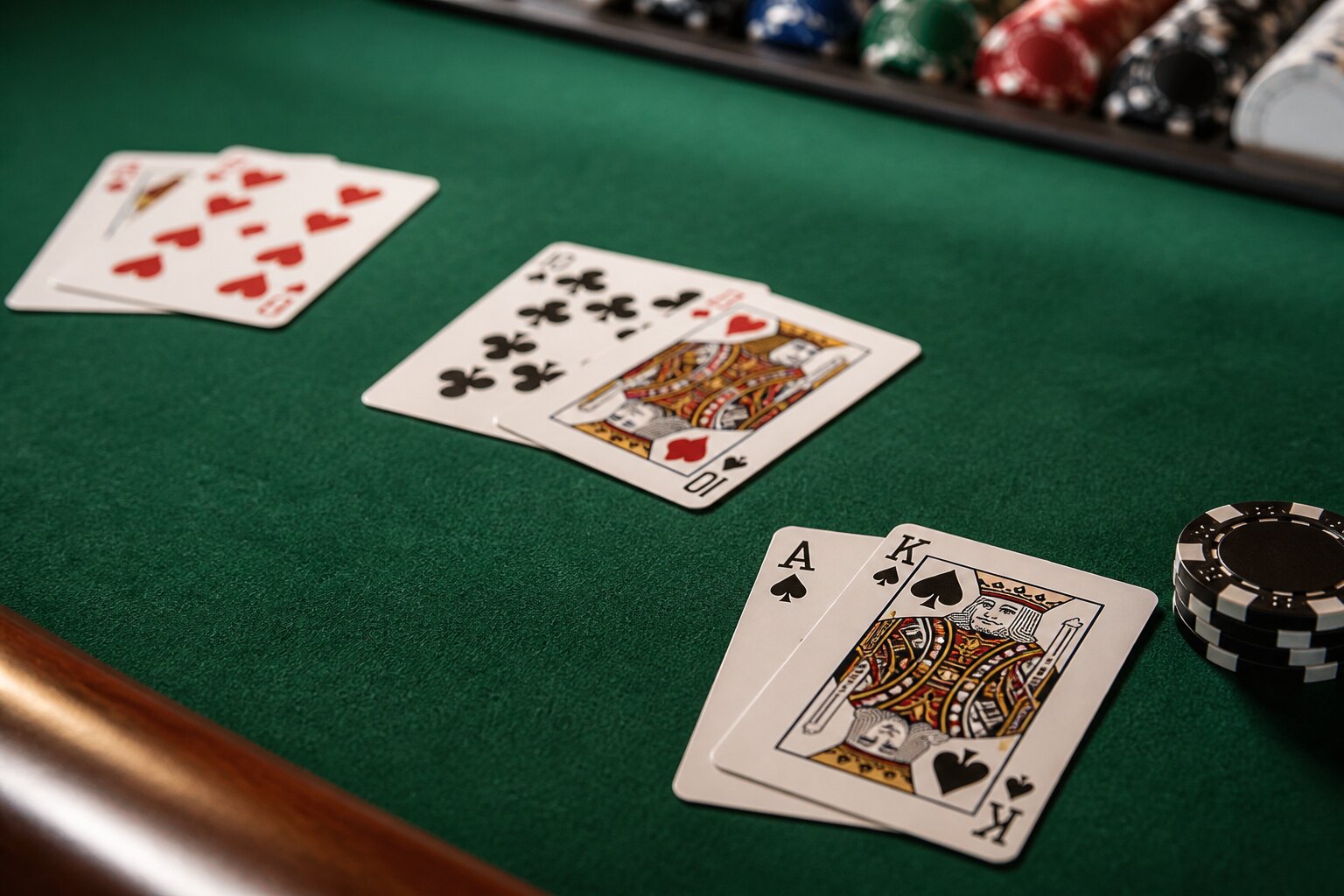
The best hand is a blackjack, sometimes called a natural: an Ace plus any 10-value card in your first two cards. This combination gives an immediate 21 and is the strongest possible hand you can be dealt at the start of a round, because it cannot be beaten by any non-natural 21 the dealer might make.
If you are dealt an Ace and a Queen, for example, the Ace counts as 11 and the Queen as 10, making a total of 21. In most games this hand pays out at a higher rate than standard wins, typically as a special blackjack payouts to reflect its relative rarity and strength compared with ordinary winning hands.
Knowing that a blackjack is the benchmark helps you judge other totals quickly and shapes the choices you make as the round continues. Recognising how exceptional a natural 21 is can also make it easier to understand why certain rules and payouts around blackjacks differ from those for other hands.
High-Value Hands You Should Know
High-value hands are those that bring you close to 21 without busting and that give you flexibility in play. Hands containing an Ace are especially useful because of the Ace’s dual value.
Typical strong totals include:
- Ace + King or Ace + 10 (blackjack)
- Ace + 9 (20)
- 10 + 10, King + Queen (20)
- 9 + 10 (19)
- Ace + 9 or 9 + Ace (20)
Hands with an Ace can shift between soft and hard values, which changes the risk when taking another card. It’s sensible to keep betting limits and time at the table in mind so decisions remain controlled and consistent with your plan.
These high-value hands set up the tactical choices that follow, and understanding the special role Aces explains why some totals feel safer than others.
The Role of Aces in Strong Hands
Aces are central because they can act as 1 or 11. That flexibility turns a soft hands (Ace + 6) into a hand that can absorb another card without immediately busting, whereas a hard 17 has no such buffer. Soft hands allow for more aggressive plays if needed, and they often change how you respond to the dealer’s visible card.
This adaptability is why hands containing Aces are prized, and it also explains why strategies differ when comparing soft and hard totals. The next section looks at why a natural 21 stands apart from even the best flexible hands.
Natural 21: Why It’s Unbeatable
A natural 21, the Ace plus a 10-value card on the initial deal, outranks every other hand except another natural. Because it is achieved in two cards it is treated differently by the rules and by payouts, and this makes it the most decisive hand in standard play.
Given its status, recognising a natural 21 early affects both how the round settles and how other players at the table react.
The Worst Hands in Blackjack Explained
Some hands routinely put players in difficult positions because they sit close to the bust threshold or leave little chance to improve. Totals of 16 and certain pairs are the most commonly troublesome.
For instance, a 16 is awkward because hitting risks busting while standing often lets the dealer outdraw you. The same tension appears with other middling totals; they force choices that have no clearly dominant option.
The next examples show these situations in more concrete terms and suggest why particular hands are labelled weak.
Pair of Eights: Split or Stand?
A pair of eights totals 16, which is a precarious position. Splitting 8s is usually recommended because it converts one poor hand into two chances to reach a stronger total. For example, after splitting an 8, drawing a 2 on one hand gives you 10, which can be improved, rather than remaining stuck on 16.
Standing on 16 is often a last resort, since it leaves you vulnerable to many dealer outcomes. Making the split changes the structure of the round and can improve the expected result over keeping the pair together.
Sixteen: Why It’s Trouble for Players
A total of sixteen, whether from 10+6 or 9+7, offers little room for error. Taking another card brings a high risk of exceeding 21, while standing leaves the dealer with a good chance to reach a higher total. This middle ground is why 16 is widely considered one of the weakest totals in the game.
There is no foolproof response to 16, which is why these hands are regarded as some of the least valuable. That tension between risk and reward is a key part of blackjack’s decision-making, and it feeds into how hands are compared.
How Are Hands Ranked in Comparison?
Hands are compared by their totals, with the highest total at or below 21 winning the round. If both the player and dealer have identical totals, the result is a push and stakes are returned. A blackjack made in the initial two cards beats a 21 made with more cards.
If a hand exceeds 21 it busts and loses immediately. This clear ranking system is why players aim to keep totals under 21 while maximising closeness to it.
Understanding these comparisons clarifies why some hands are worth pressing and others are best treated cautiously, which in turn helps when weighing the effect of rule variations covered next.
Common Misconceptions About Blackjack Hands
There are several persistent myths that can mislead new and returning players. Clearing these up helps make better decisions at the table.
- Face cards are worth 10, but a 20 is a 20 regardless of how it is made. Two tens and an Ace plus nine that both total 20 do not differ in rank.
- Pairs are not automatically strong. Two 8s or two 7s can be liabilities depending on the dealer’s card.
- Soft hands matter because the Ace reduces the chance of an immediate bust, which changes the logic of taking another card.
- The dealer’s hidden card is not more likely to be a 10 than any other available value beyond what the deck composition implies.
- Each round is dealt independently, so outcomes from one hand do not directly alter the probabilities of the next round.
These corrections help frame realistic expectations and reduce decisions based on misconceptions. With that clarified, it’s useful to consider how different blackjack variants slightly change these practical effects.
Can Hand Value Change Based on Game Variation?
The basic method of valuing hands stays constant across most variants: totals add up to 21 or less. Rule variations, however, can alter the practical value of certain hands and the best responses to them.
In variants where the dealer receives the hole card later, players make decisions without knowing whether the dealer has a strong hidden card, which raises the risk associated with marginal hands. Games that remove 10s from the deck reduce the frequency of blackjacks, but often compensate with different payouts or bonus rules for specific combinations or hand sizes.
Because these rule changes shift the expected return and the strategic balance, checking a game’s rules before playing is important. Knowing how versions adjust payouts and dealer behaviour helps in assessing the true worth of a given hand.
This overview of hand rankings and variations should leave you better prepared to read your cards and respond in a way that matches the rules in play.
Enjoy Casino Games at Free Spins No Deposit Casino
At our site, we offer a welcoming place to enjoy a wide range of casino games, with something to suit all tastes. Whatever your preferences, you’ll find plenty of choices to explore and enjoy.
Getting started is easy—just create an account, make a deposit and you can begin playing in a way that suits you. We look forward to welcoming you.
**The information provided in this blog is intended for educational purposes and should not be construed as betting advice or a guarantee of success. Always gamble responsibly.