
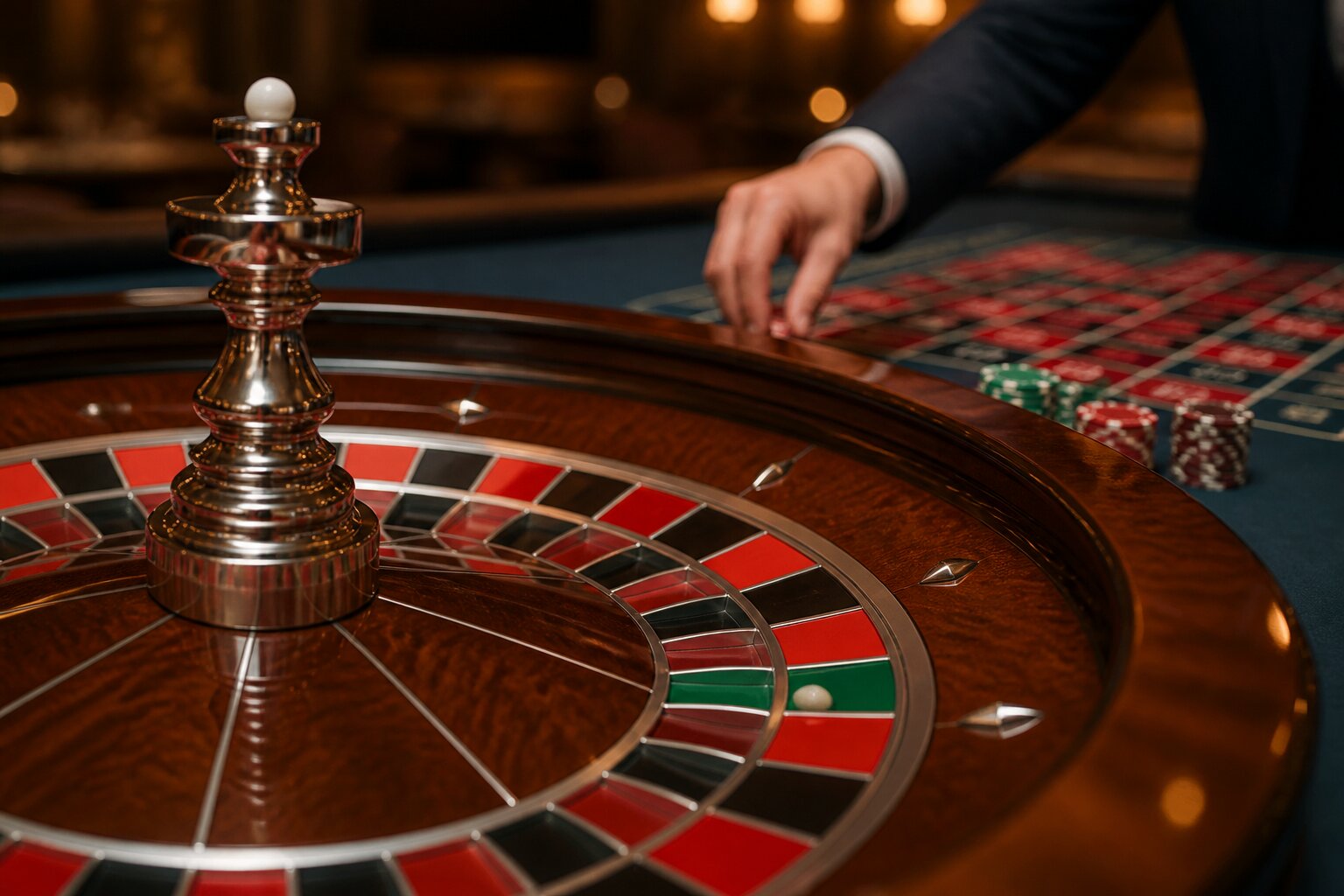
Roulette is a fixture in casinos, and one pocket often draws more attention than the rest: zero. Whether you are learning the game or want to refine how you play, understanding zero changes how you think about payouts and risk.
Many players are unsure how zero alters the maths behind common bets. This article explains what makes the zero pocket different, how it affects the house edge and your probabilities, and shows a clear example so you can see the numbers in practice. Read on to get a clearer picture of when a bet on zero might make sense for you.
Understanding the Zero Pocket in Roulette
The zero pocket is distinct from the red and black numbered pockets, both visually and in how it interacts with the betting layout. It is coloured green and does not belong to any of the even-money groups such as red/black, odd/even or 1–18/19–36. That single difference is enough to change the balance between player and casino.
On a European roulette wheel there is one green zero, labelled 0, producing 37 pockets in total: numbers 1 to 36 plus the zero. American-style wheels include two green pockets, 0 and 00, bringing the total to 38. The extra pocket on the American wheel reduces the chance of winning any individual bet, which is why the two wheel types are treated differently in terms of expected return.
Because zero falls outside the common outside bets, it causes many wagers to lose when it appears. Some tables apply specific rules for zero outcomes, such as giving half-back on certain even-money bets, but the basic effect is the same: zero changes the payoff structure and maintains the casino’s advantage. This distinction is important; next we will look at how it translates into the house edge.
What Is the House Edge When Betting on Zero?
The house edge is the long-term built-in advantage the casino holds against all wagers on the wheel, including bets on zero. On a European wheel with a single zero the house edge is 2.70%. That means, over many spins, the expected loss on a given stake averages 2.70 percent of that stake.
With the American wheel’s two green pockets the edge increases to 5.26 percent. The extra 00 pocket raises the denominator of possible outcomes without changing the nominal payout for a straight-up bet, so the player’s expected return falls.
A straight-up bet on any single number, including zero, pays at odds of 35 to 1. The difference between those payout odds and the true probability of winning is precisely what creates the house edge; betting on zero does not change the underlying percentage advantage the casino retains.
Betting on Zero: Payouts and Probabilities Explained
A straight-up wager on zero returns 35 to 1. For example, a £1 stake winning on zero pays £35 in winnings plus the original £1 stake, giving a total return of £36. If the ball lands elsewhere, the stake is lost.
On a European wheel the chance of a single-number win is 1 in 37, roughly 2.70 percent. On an American wheel the probability is 1 in 38, about 2.63 percent. Those probabilities compared with the 35-to-1 payout show why the house keeps an edge: the payout is large, but the true chance of that outcome is slightly lower than the payout implies.
The implications are straightforward. Betting on zero is high variance: wins are rare but pay out well. No betting pattern can alter these probabilities or the house edge, so the choice to place such bets is about risk tolerance rather than a way to improve expected returns. If you want to see how the numbers work in a real stake, the next section walks through a simple example.
When Do Players Choose to Bet on Zero?
Players pick zero for a few typical reasons. Some include it in an inside-bet spread, combining a straight-up zero with neighbour bets that cover numbers adjacent to zero on the wheel. Others use zero as part of a broader coverage strategy, placing chips on splits or corners that include zero to increase the chance of returning at least part of their stake.
There are also psychological motives: zero stands out on the layout and can feel satisfying to back, which is a normal part of how people interact with the game. It is worth being clear, though, that these choices trade frequency of wins for occasional larger payouts, and the statistical disadvantage remains the same.
Common table rules sometimes alter practical outcomes, for instance en prison or call bets on specific wheels, which can affect what happens to outside bets when zero appears. Knowing the house rules at the table you play helps you weigh whether including zero in your wager mix matches your preferred level of volatility. The example that follows shows the arithmetic behind one such bet.
Example: What Happens If Zero Hits?
Imagine a £5 straight-up bet on zero at a European table. If zero comes up, the payout is 35 to 1, so the bet wins £175, and the original £5 stake is returned, giving a total of £180.
If the ball lands on any other pocket, the £5 stake is lost. This illustrates the trade-off: a single successful spin produces a substantial return, but those successes are infrequent, and over many spins the average return reflects the house edge explained earlier.
Being aware of the probabilities and the payoff structure helps set realistic expectations for this type of wager. Choose stakes that fit personal limits and the level of risk you are comfortable with, and consider table-specific rules before placing bets that include zero.
This article has set out what makes zero different, how it affects payouts and expected returns, and shown a concrete example so you can see the maths for yourself.
Explore Casino Games at Free Spins No Deposit Casino
We welcome you to be part of our friendly community, where everyone is invited to enjoy casino entertainment at their own pace. There’s always a place for new faces to experience what our site has to offer alongside players from all walks of life.
Getting started is easy – just create an account, make a deposit, and you’re ready to explore our games. We look forward to seeing you join us and discover all the fun and excitement in store.
**The information provided in this blog is intended for educational purposes and should not be construed as betting advice or a guarantee of success. Always gamble responsibly.