
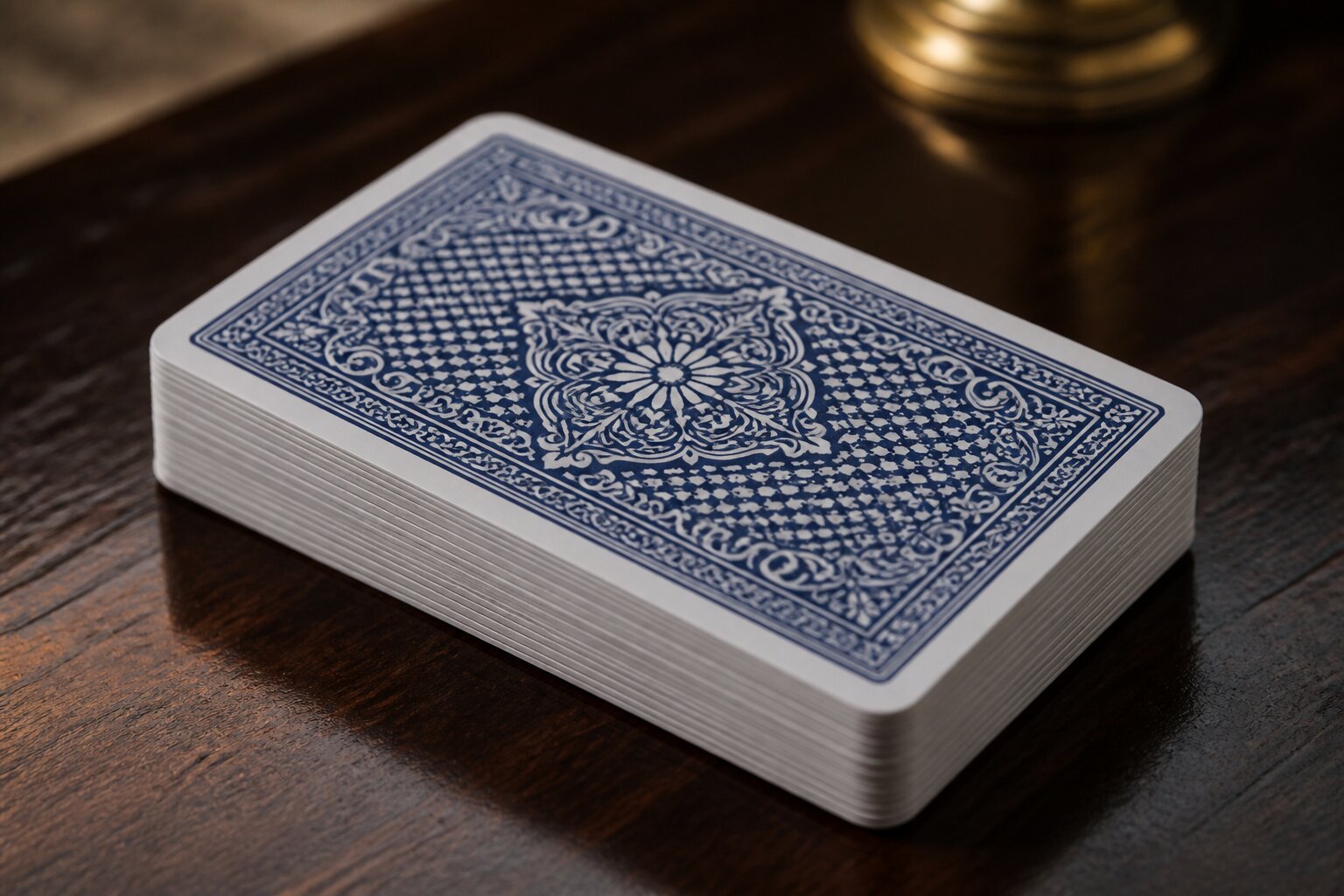
Impress your friends and add a little extra style to your next card game with some simple card shuffle tricks and flourishes. Whether you want to mix up your cards in a neat way or show off a bit at the table, a few new moves will make any game more engaging.
You don’t need to be a magician to handle cards smoothly—you just need a little practice and the right technique. From classic shuffles to eye-catching flourishes, there are plenty of moves that anyone can learn and enjoy.
Curious how to sharpen your shuffling skills? Read on for clear explanations and practical tips that make each technique easy to follow and fun to practice.
What Are The Easiest Card Shuffling Techniques For Beginners?
If you’re new to shuffling, some basic methods are quick to learn and build good handling habits. These techniques also help develop hand-eye coordination and a steady rhythm.
- The overhand shuffle is simple: the deck is held in one hand while the other pulls small packets from the top, letting them fall into the opposite palm. It’s gentle on cards and useful for casual mixing.
- The riffle shuffle involves splitting the deck and allowing the card edges from each half to interweave. It creates a satisfying texture and mixes cards more thoroughly once you become comfortable with the motion.
- The pile shuffle spreads cards into several small piles and then gathers them together. It’s slower but effective for ensuring different parts of the deck are redistributed.
Each method has strengths: the overhand is approachable, the riffle is efficient, and the pile shuffle gives you control. Try each to see which feels most natural, then combine them for a more even mix. A short practice routine each day quickly boosts confidence and smoothness.
How Do You Do A Professional Riffle Shuffle?
The professional riffle is prized for both its appearance and its ability to integrate two halves of a deck well. In practice, the deck is divided into two roughly equal packets and held so the inner edges face each other. By applying gentle upward pressure and letting the thumbs release the cards, the edges interleave and form the characteristic riffle sound.
After the edges have meshed, the two packets are squared together so the deck becomes one again. Many players add a bridge finish, which involves bending the rejoined deck slightly and allowing the cards to settle back into place; this helps align the cards neatly and completes the action with a tidy flourish.
The key to a professional riffle is controlled pressure, consistent timing, and relaxed hands. Practice slowly at first to keep cards aligned, then build speed without forcing the motion. This shuffle is commonly used in social play because it produces a thorough mix while looking polished.
Transitioning from the riffle, the overhand shuffle offers a softer, more accessible alternative that’s worth practising too.
Mastering The Overhand Shuffle: Tips & Tricks
The overhand shuffle becomes smooth and attractive once the grip and rhythm are settled. A light hold avoids creasing the cards, while slightly smaller packets improve the mix. The action feels a bit like tapping off a few cards at a time and letting them stack naturally into the other hand.
Consistency matters: steady, repeated motions lead to a cleaner shuffle than hurried, uneven pulls. Practising with a relaxed wrist helps the cards move effortlessly, and alternating packet sizes occasionally keeps the order from remaining too patterned. Over time the movement becomes almost automatic, making it an ideal go-to technique for casual play.
A relaxed attitude toward mistakes helps too; small slips are part of learning, and the best progress comes from calm, regular practice.
What Is The Difference Between Flourishes & Shuffling?
Flourishes and shuffling both involve handling cards, but they have distinct roles at the table. Shuffling is functional: its purpose is to mix the cards so the order is not predictable. Flourishes are expressive: they highlight dexterity and add visual interest without changing the deck’s sequence in any meaningful way.
Shuffles such as riffle and overhand are chosen for how they blend cards, while flourishes like fans or one-handed cuts showcase skill. Because flourishes do not reliably randomise a deck, they are primarily used for display or performance. Likewise, shuffles performed with the intention of entertaining are still about card maintenance and fairness in play.
Both skill sets are enjoyable to learn and improve handling overall, but they serve different ends—one practical, the other performative.
A few simple flourishes can enliven a game night, so the next section shows some approachable options you can try.
Simple Card Flourishes To Impress Friends
Card flourishes add personality to any card routine and increase comfort with a deck. They’re about showmanship rather than affecting a game’s outcome, and practising them improves finger control and confidence.
The Charlier cut appears as a single-handed transition where about half the deck is released and allowed to rotate against the remaining packet, then dropped back to form one packet again. With practice, the motion becomes a fluid flip that looks impressive but is straightforward to learn.
The thumb fan is created by holding the deck and using the thumb to sweep the faces out into a curved, fan-shaped display. The effect is visual and useful for showing a range of cards during a friendly demonstration. Gentle pressure and even spreading produce the smoothest fan.
Focus on smooth, deliberate movements rather than speed. These flourishes are for show and social enjoyment, helping you feel at ease with a deck while entertaining friends.
Transitioning back to technique, it helps to know what to avoid when you’re practising.
Are There Common Mistakes To Avoid When Learning Card Shuffles?
Beginners often make similar errors that hinder progress, and recognising them helps speed improvement. Gripping the deck too tightly is a common issue: it restricts movement and increases wear on the cards. A lighter hold lets packets slide more cleanly.
Rushing through motions leads to dropped cards and uneven shuffles; calming the tempo produces better results than forcing speed. Using excessive force, especially during riffles or flourishes, risks bending and creasing cards; softer pressure protects the deck and smooths the action.
Practising on a clean, level surface and using a spare deck for experimentation reduces frustration. Mistakes are a normal part of skill-building—regular, relaxed practice transforms awkward attempts into polished moves.
How To Maintain A Deck For Smooth Shuffling
A well-maintained deck performs more reliably and feels better in the hands. Storing cards in their box or a protective case keeps them flat and free from dust or moisture. Rotating between two decks spreads wear and extends overall life if you use cards often.
Keeping hands clean before handling reduces oil and grime on the card surfaces, and a dry, tidy playing area helps prevent spills or stickiness. When a card becomes bent or heavily scuffed, replacing the deck is usually preferable to trying to repair individual cards, since uniformity in thickness and finish matters for consistent handling.
Gentle handling during practice and play preserves the cards’ condition so shuffles and flourishes remain crisp and enjoyable.
A short note: the skills described here are for handling and performance, not for gaining advantage in games.
Which Card Shuffle Techniques Are Used By Magicians?
Magicians often blend shuffling and cutting techniques into routines that prioritise concealment and spectacle. Their methods are crafted to preserve or control card order while appearing to mix the deck, supporting the narrative of a trick rather than fair play in a game.
A false shuffle looks like a normal shuffle but retains a chosen sequence or arrangement, allowing a performer to direct the outcome of a trick. There are many variations tailored to different routines, each balancing visual authenticity with hidden control.
Visual shuffles and one-handed cascades are also common in magic, emphasising smoothness and dexterity. These moves are practiced until they can be performed without drawing attention to the mechanics, supporting the overall storytelling of the effect.
Magical techniques are designed for performance contexts and should not be used in competitive or regulated play. If you enjoy the theatrical side of card handling, these methods are rewarding to master while keeping performance and games separate.
Gambling and performance are distinct activities; if you take part in gambling, remember it is only for adults aged 18 and over and should be approached responsibly.
**The information provided in this blog is intended for educational purposes and should not be construed as betting advice or a guarantee of success. Always gamble responsibly.