
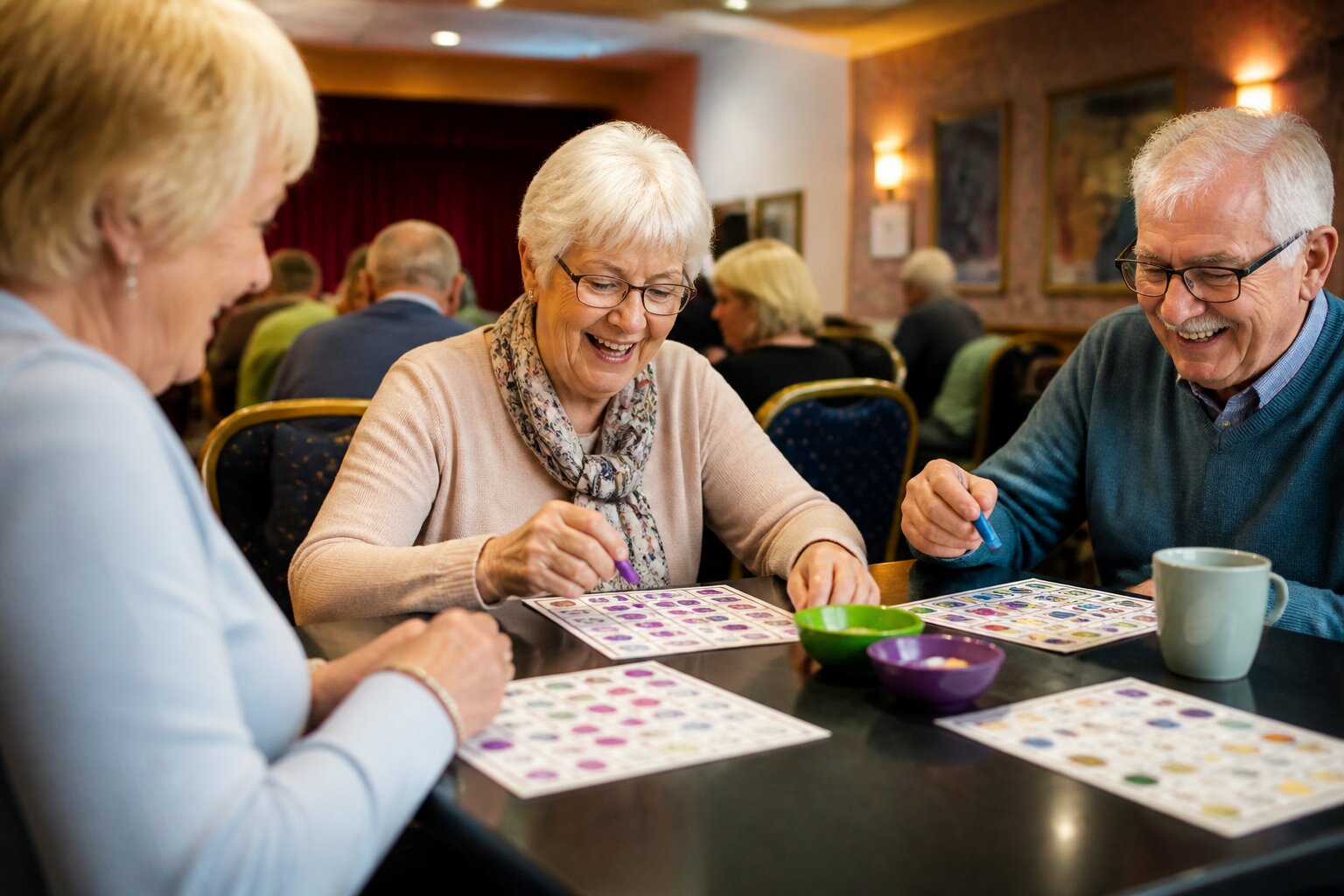
If you think bingo is just about shouting “house!” and waving a dauber, think again. Today’s bingo scene features far more variety than the traditional session many remember from the local hall.
From quick-fire numbers to themed online rooms, there’s a game to suit different tastes, whether someone wants a social atmosphere, a strategic pattern chase, or a rapid round to fit into a short break.
Curious about what makes each type of bingo unique and which one might suit you best? Read on for a clear guide to the main formats, how their rules differ, and the features that keep players coming back.
What Are the Main Types of Bingo?
Bingo comes in several widely played formats, each shaping the pace and tactics of the game. Understanding the basics of each type helps you pick the one that matches your preferred tempo and level of engagement.
90-ball bingo is the classic British format, played with tickets that have three rows and nine columns. Players mark numbers as they are called, aiming for one line, two lines, or a full house. Sessions are often paced to allow social banter and multiple rounds during an evening.
75-ball bingo uses a 5x5 grid and is frequently found online. The centre square is usually a free space and games revolve around completing preset patterns, such as straight lines, shapes, or themed designs. This pattern-led approach keeps every game feeling fresh.
80-ball bingo sits between the two, using a 4x4 grid and offering fast, pattern-based play suited to digital platforms. Speed Bingo, often using 30 balls and compact 3x3 cards, is aimed at players who prefer very short, intense games. Each format has its own rhythm and reward structure, so the choice comes down to whether someone wants a leisurely session or something snappier. Next, we’ll look closely at how 75-ball and 90-ball compare in practice.
Comparing 75-Ball and 90-Ball Bingo
Comparing 75-ball and 90-ball shows how card design and prize rules shape the whole experience. These two formats represent different traditions and appeal to different kinds of players.
Card Layout and Patterns
In 90-ball bingo, tickets have three rows and nine columns, with blank spaces creating a distinctive spread of numbers across each row. Wins come in stages: the first complete line, any two lines, and finally the full house when every number has been called.
75-ball bingo uses a 5x5 square grid with a free centre square. What sets it apart is the use of patterns: organisers announce a specific shape or arrangement to aim for, which could be anything from a straight line to an elaborate motif. That variety makes each game feel distinct and encourages different marking strategies.
A closer look at these layouts shows how the design directly influences play: 90-ball rewards steady progress across several prize stages, while 75-ball prizes often hinge on a single first-to-complete pattern.
Game Pace and Prize Structure
90-ball games tend to move at a measured pace, with multiple prize opportunities within the same session. That gives players time to engage socially and follow several rounds. Prize money is typically divided across the line, two-line, and full-house stages.
75-ball games are generally quicker, since players race to complete the announced pattern and a single prize is often awarded to the first winner. The pattern mechanic can create sudden, decisive wins and keeps games unpredictable in a different way.
Both formats rely on random draws and prize amounts depend on the number of entrants and the organiser’s payout rules. Having seen how these two staples differ, the next section explains how 80-ball fits into the wider landscape.
How Does 80-Ball Bingo Stand Out?
80-ball bingo blends the clarity of pattern play with a brisk tempo well suited to online platforms. Its 4x4 grid keeps boards compact and easy to read on smaller screens while still offering a variety of win conditions.
Each card contains sixteen numbers and games commonly reward one line, two lines, three lines, and a full house. Special patterns—such as an X, a square, or corner combinations—appear regularly, and visual aids like colour coding help players track progress quickly. Because of the smaller grid and fewer numbers in play, rounds tend to finish faster and produce more winners per session than longer formats.
This format is useful for players who want something more engaging than a very short speed game but less time-consuming than a full 90-ball session. With that contrast in mind, the next section explores how the setting—online versus in-person—shapes the way these games feel.
What Is the Difference Between Online and In-Person Bingo?
The core rules of bingo remain consistent across settings, but the environment and features change the player experience in important ways.
In-person bingo takes place in halls where paper tickets, live callers, and a shared audience create a communal feel. Players mark numbers by hand and wins are claimed vocally or with a buzzer, which contributes to the social rhythm of a session. Sessions often include pauses and a mix of game types across an evening.
Online bingo replaces paper cards with digital tickets and typically offers auto-daubing so numbers are marked automatically. Games run around the clock and often include chat functions for social interaction, along with a wider variety of themed rooms and promotional formats. Software also handles claims instantly, reducing disputes and allowing very fast rounds.
Both formats cater to adults only and provide tools to manage time and spending; knowing the setting’s pacing and features makes it easier to choose a session that fits one’s own schedule and preferences. Having examined settings, we’ll now look at some modern features that bring additional variety to the game.
Unique Features of Modern Bingo Variants
Advances in digital delivery and creative design have introduced features that refresh the classic game without changing its basic objective of matching numbers.
Themed bingo rooms use visual and audio elements from TV shows, holidays, or pop culture to create a distinctive atmosphere for a session. Themes can include custom graphics, special chat hosts, and tailored round formats that reinforce the chosen motif.
Jackpot and progressive prize formats add another layer of excitement. Fixed jackpots are won by meeting precise conditions within a limited number of calls, while progressive jackpots grow with ticket sales until someone achieves the required result. These prizes often come with stricter win requirements, which helps explain the larger prize amounts.
Other innovations include time-limited rounds, multi-card displays that let players manage several tickets at once, and loyalty or reward schemes that give regular players extra incentives. These features broaden the appeal of bingo, offering options for players who value entertainment, social interaction, or the chance to chase a larger pot. Next, we turn to how rules themselves vary between the most popular versions.
How Do Bingo Rules Differ Across Popular Versions?
Rule differences between versions affect everything from the numbers in play to how wins are validated, and understanding these distinctions clarifies what to expect in any game.
The number pool is a primary differentiator. Ninety-ball games draw from 1 to 90 and award prizes for one line, two lines, and a full house. Seventy-five-ball uses numbers up to 75 on a 5x5 card and centres games on completing an announced pattern. Eighty-ball works with a 4x4 card and commonly recognises multiple line wins plus a full house, while speed formats use a much smaller pool and compact cards designed for rapid resolution.
Win claims also vary by setting. In halls, players signal wins vocally or electronically; online platforms generally register wins automatically. Some games permit multiple winners to share a prize, while others award a single winner per round. The specifics of required patterns, validation procedures, and prize distribution are published by organisers before play so participants know the conditions for each game. With these differences in mind, it becomes easier to select a game that matches personal tastes, which is the focus of the final section.
Why Do Bingo Players Choose Certain Game Types?
Choice often comes down to the experience a player wants and the practical constraints of their time and budget.
Some players enjoy the measured pace and social interaction of 90-ball sessions, where multiple prize stages and longer sessions suit a relaxed evening out. Others prefer 75-ball or 80-ball online games for a quicker tempo and the variety that pattern-led rounds provide. Themed rooms attract those after extra entertainment, while progressive jackpots appeal to players seeking larger prize potential with specific challenge conditions. Ticket cost and session length also influence decisions: lower-priced tickets and shorter games fit casual play, while longer sessions suit players happy to remain for multiple rounds.
Ultimately, the right choice balances what a player enjoys with what fits their schedule and spending plan. Selecting a game that aligns with personal preferences and limits will help ensure each session is enjoyable and sustainable.
Play Slots Online at Free Spins No Deposit Casino
We’re always happy to welcome new players to our site, so feel free to explore and enjoy playing with us whenever you like. There’s no rush, just take your time and settle in at your own pace.
Getting started is straightforward – just create an account, make a deposit and you’ll be ready to play. We look forward to seeing you around and hope you have a great experience.
**The information provided in this blog is intended for educational purposes and should not be construed as betting advice or a guarantee of success. Always gamble responsibly.