
Ever wondered how a slot machine really works behind those bright lights and spinning reels? You’re not alone. The number of symbols on each reel is a small but important technical detail that affects how a game behaves and how often particular combinations appear.
Whether you’re new to slots or you’ve played for years, a clearer picture of reels and symbols makes gameplay easier to understand and more interesting to watch. Ready to unravel what’s behind the spin? Let’s get into it.
What Are Slot Machine Reels?
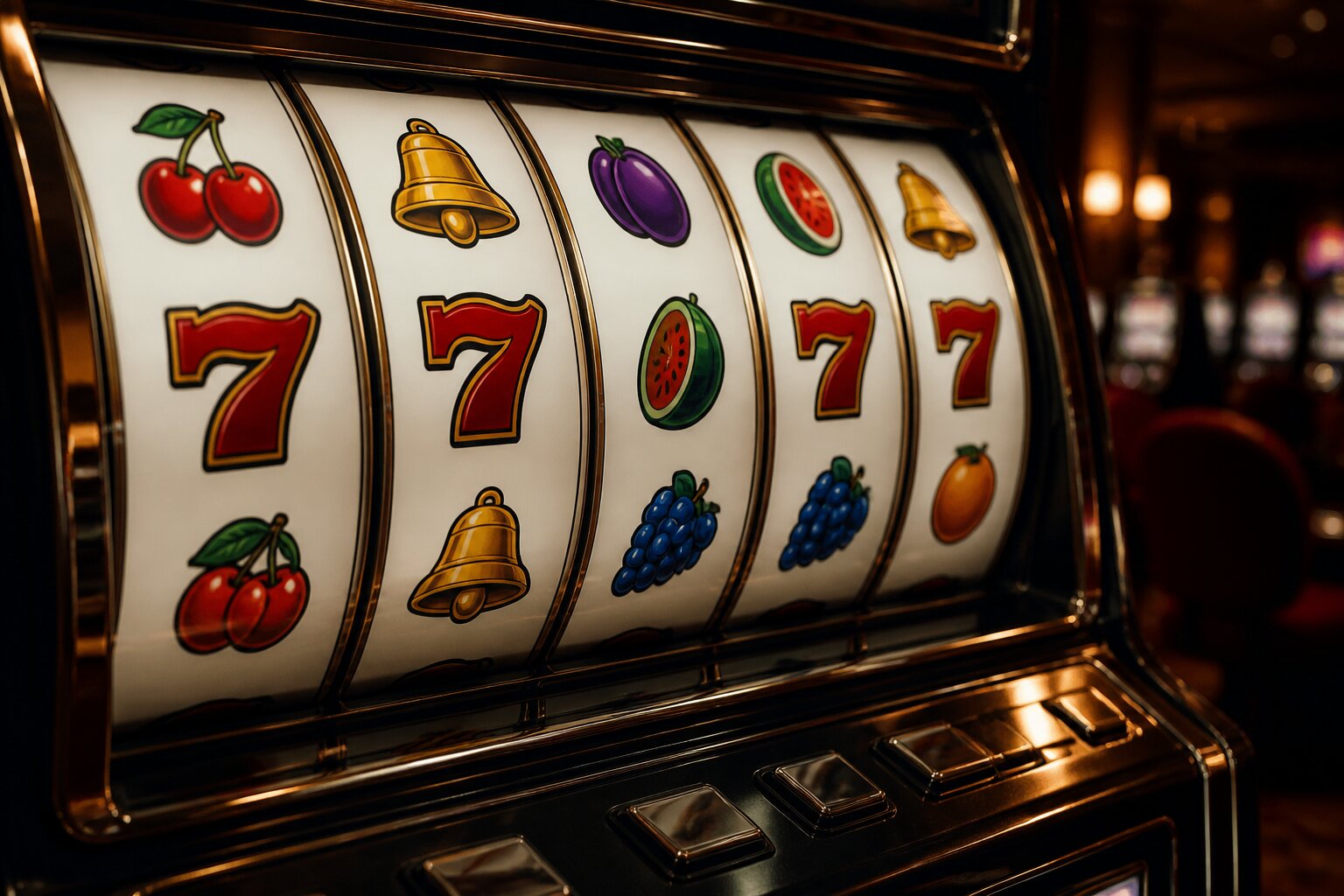
Slot machine reels are the vertical columns that appear to turn when you start a game. Each reel shows a sequence of symbols—fruit symbols, numbers, themed icons or special markers such as wilds and scatters—that determine outcomes when they line up on the payline.
In older, physical machines these reels were actual metal cylinders with symbols painted around them. Today, most slot games show spinning reels as an animation controlled by software, but the idea is the same: the reel presents a symbol at each position and those visible symbols form the result of a spin.
Reels serve to randomise symbol combinations so each play produces a fresh result. When you initiate a spin the game’s software uses a random number generator (RNG) to select symbol positions. The visible animation is a representation of that result rather than the mechanism that creates it.
How Do Symbols Affect Slot Machine Outcomes?
Symbols are the building blocks of outcomes: their identities and positions after a spin determine whether the result triggers a payout or a bonus. Different symbols carry different values, and special symbols can change how combinations are scored.
Each game has its own symbol set and rules, shown in the paytable. Regular symbols typically pay smaller amounts and appear more often; premium symbols pay more and are rarer. Wilds substitute for other symbols to help complete winning lines, while scatters often unlock bonus features or free spins when enough appear anywhere on the reels.
Behind the scenes, an RNG decides which symbol will appear in each reel position. That ensures every spin is independent and unpredictable. If you want to check how a specific symbol behaves, the paytable is the quickest guide.
Now that you know how symbols work, the next section explains how reel design has changed over time and why that matters for game outcomes.
Traditional vs Modern Slot Machine Reels
Traditional slot machines used physical reels: fixed, mechanical cylinders with a limited number of symbol positions. Those designs typically allowed for between 10 and 20 symbols per reel, which constrained the variety of combinations and kept the mathematics relatively straightforward.
Modern slots use digital or virtual reels, which removes the physical limits. Developers can map many more virtual positions to a reel, and a single visible symbol can correspond to multiple underlying positions. That “symbol mapping” lets games offer more paylines, more varied symbol frequencies and more elaborate bonus systems without changing the visible layout.
Because virtual reels can include dozens or hundreds of positions, a game designer can make certain symbols very rare while making others common, and place them in ways that support the intended payout profile. The look and feel of spinning remains familiar, but the math behind wins is more flexible.
Why Do Slot Machines Use Different Numbers Of Symbols?
Different symbol counts result from a mix of technical limits and design choices. Mechanical reels are constrained by space, while virtual reels allow designers to customise symbol frequency much more precisely.
Designers pick a symbol count and mapping to control how often particular combinations occur. A game that intends smaller, frequent wins will use more common symbols; a game targeting large jackpots will place high-value symbols less often. This is part of balancing a game’s appeal and its theoretical payout levels.
Mechanical limitations once dictated symbol counts, but modern software gives designers freedom to tailor the experience. That freedom is why two games with the same visible reels can behave very differently—the invisible mapping determines the underlying odds.
Can The Number Of Symbols Change The Odds Of Winning?
Yes. The number and distribution of symbols affects the number of possible combinations and how frequently specific outcomes occur. A reel with many symbol positions increases the total permutations, which typically reduces the chance of any single specific combination occurring.
Game developers use that relationship to tune how often small, medium and large wins appear. Rarer symbols and sparser placements make big prizes less common, while more frequent symbols lead to smaller, more regular payouts. All of this is set in the game’s internal design and reflected in its long-term return-to-player (RTP) rate.
It’s important to remember that while the symbol mapping shapes the statistical profile of a slot over many spins, each individual spin is determined by the RNG and is independent of previous outcomes.
Next, we’ll clear up some common misunderstandings people have about how symbols behave.
Common Myths About Slot Machine Symbols
There are several persistent myths about symbols and how they appear. Knowing the facts helps you read a game more clearly.
Myth: Certain symbols are “due” to appear.
Fact: Every spin is independent; past outcomes don’t influence future ones.
Myth: Machines run on visible cycles or patterns.
Fact: Regulated slots use RNGs; patterns visible to a player are coincidental and not predictive.
Myth: Timing your play changes symbol behaviour.
Fact: Time of day or session length doesn’t affect the RNG’s results.
Myth: Near misses mean a win is imminent.
Fact: A near miss is just a random result and does not alter the chance of future wins.
Understanding these points makes it easier to evaluate a game’s behaviour without reading meaning into random variation.
How To Identify Symbol Types On a Slot Machine
Familiarising yourself with a game’s symbols is straightforward and useful before you play. The paytable is the first place to look: it lists every symbol, explains its value and shows which symbols trigger features.
Wilds are typically labelled and often use a bold graphic; they substitute for other symbols to complete wins. Scatters are clearly marked too and usually trigger bonus rounds or free spins when enough appear, regardless of paylines. Bonus or feature symbols are highlighted in the paytable and may unlock mini-games or progressive features. Standard symbols follow the theme and form the backbone of regular payouts.
Taking a moment to review these items before starting makes the game’s mechanics less mysterious and helps you spot how different symbols contribute to potential outcomes.
Conclusion: Understanding Symbol Counts And Their Impact
Knowing how many symbols are on a reel and how they are mapped helps you appreciate the design choices behind a slot and what to expect from its payout pattern. Symbol counts and distribution influence how often particular outcomes happen, but the randomness of each spin is maintained by the game’s RNG.
Treat slots as entertainment and be aware of the risks. If you choose to play, set clear limits and stick to them. Thanks for reading—now you’ll spot the meaning behind the reels next time you watch them spin.
**The information provided in this blog is intended for educational purposes and should not be construed as betting advice or a guarantee of success. Always gamble responsibly.