
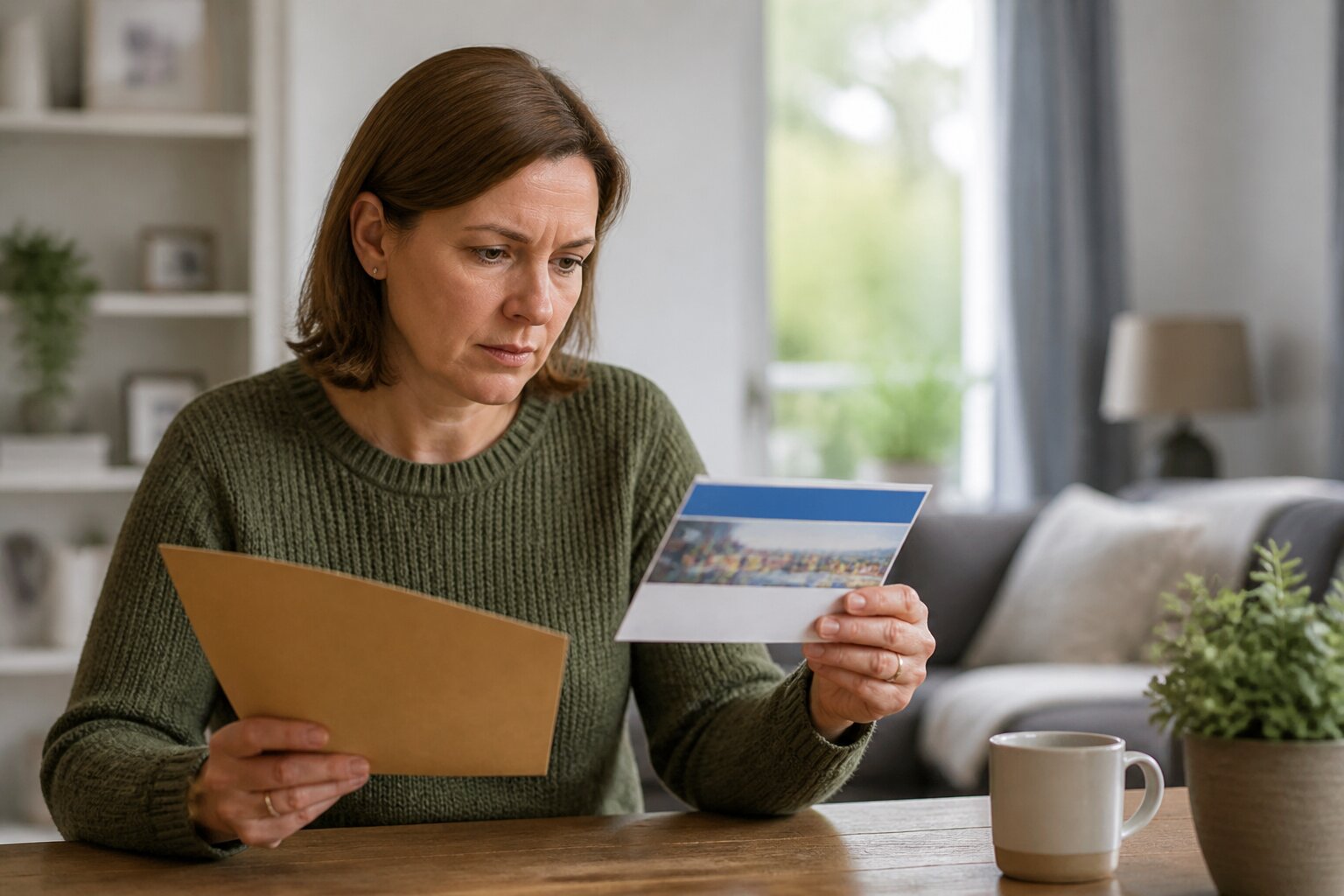
Have you just received a Postcode Lottery Prize Voucher through your letterbox or email? It’s natural to feel a mix of excitement and caution when an unexpected notification arrives.
Before you start sharing details or following links, it’s worth checking what a genuine voucher looks like and how the process usually works. This article explains how the prize voucher system operates, how to spot scams, and what to expect when claiming a prize.
Read on for clear, concrete guidance so you can tell fact from fraud and know what prizes might be involved.
How Does the Postcode Lottery Prize Voucher Work?
The Postcode Lottery Prize Voucher is sent to notify people when their postcode has won a prize. If you play and your postcode is drawn, a voucher or official notification will confirm the win and set out how it will be paid or delivered.
Genuine communications arrive by post or email and display the lottery’s branding, your postcode and the prize details. Cash prizes are usually paid automatically into the bank account linked to the subscription or sent by cheque if that is the chosen method. Non-cash prizes include gift vouchers, retail vouchers, or experiences, and the notification will explain delivery or collection arrangements.
Official communications will never demand payment or ask you to transfer money to receive a prize. They will also avoid requesting sensitive banking information via email or an unsecured form. Knowing these basics helps you judge whether any message is likely genuine, and the next section shows what to look for in authentic materials.
Spotting Official Postcode Lottery Communications
Telling real notifications from scams comes down to a few clear signs. Official messages use consistent branding and correct formatting, include specific details such as your postcode, and provide contact information that matches the organisation’s published channels.
Genuine notices do not pressure you to act immediately, nor do they ask for payment or for sensitive details via email. If the message feels hurried, asks for unusual verification, or displays poor design and spelling mistakes, treat it with suspicion.
If a notification seems legitimate, check the contact details against the lottery’s official website. If anything looks off, stop and verify before responding — this precaution will be useful when it comes to claiming a prize, which is covered next.
Recognising Authentic Vouchers
Authentic vouchers list the prize, the winning postcode and clear instructions for collection or payment. They state how the prize will be delivered and use secure methods for any further verification. If a message includes an unusual web address or an unfamiliar phone number, it’s a warning sign.
Warning Signs of Scam Vouchers
Scam attempts often use generic greetings instead of personal details and may include urgent calls to act, requests for payments, or demands for personal information over insecure channels. Low-quality graphics and suspicious sender addresses are other indicators. If you encounter these, cease contact and verify through official channels only.
How to Redeem a Postcode Lottery Prize Voucher
When a voucher is genuine, redemption follows the clear steps outlined on the notification. Cash prizes for subscribed players are most commonly credited automatically, while other prizes come with instructions for collection or delivery.
If a voucher instructs you to claim via a website, ensure the web address is the lottery’s official domain before entering any details. Any required identity checks will be straightforward and not involve sending banking passwords or making a payment. If in doubt, use the official contact details to confirm the process rather than those provided in the suspicious message.
Understanding how claim notifications are presented will make it easier to spot attempts to divert you to fraudulent sites or contacts, which is the focus of the next section.
What Prizes Can You Win with a Prize Voucher?
Prize vouchers may represent a variety of awards. The most frequent are cash prizes, which vary in size and are described on the voucher. Other possibilities include retail gift cards, vouchers for specific services or travel-related experiences when promoted for particular draws.
Each draw sets out the prize types and values in its terms and conditions, so the notification you receive will reference the appropriate rules. Importantly, a voucher does not act as a ticket to future draws and does not require any further purchase to claim what it describes.
Knowing the types of prizes you might receive helps when evaluating a notification’s credibility, and it also clarifies what information a legitimate notice should contain.
Is It Safe to Share Your Personal Details When Claiming?
Sharing personal details is acceptable only through verified, secure channels. The lottery operator may ask for basic identity information to confirm a win, such as name and address, and occasionally proof of identity for larger prizes. It will not ask for passwords or request that you transfer money to receive a prize.
When any request for information arrives, pause and confirm the contact method is official before responding. Check that website addresses match the operator's known domain and begin with https, and that email senders use the official domain rather than a similar-looking substitute. If contacted by phone, compare the number with the one shown on the official website before giving any details.
Do not share bank or card details, PINs or security codes by email or in response to unexpected calls. Where proof of identity is required, use the secure upload methods shown on the operator's verified site or arrange to deliver documents in person if that option is provided. Keep copies of any documents you send and note the names of staff you deal with.
Be wary of pressure to act immediately, requests for payment to release a prize, or attachments and links you were not expecting. Report any suspicious contact to the lottery operator and, if you believe you have been targeted by fraud, to Action Fraud or your local police. Protecting personal data prevents fraud and keeps legitimate claims straightforward and secure. If further verification is needed, the official contact points will be the next place to check.
What to Do If You Suspect a Scam
If a message looks suspicious, stop interacting with it immediately and do not follow links or provide information. Report the communication to the lottery’s customer service using contact details from its official website, and consider reporting the incident to Action Fraud so it can be investigated.
Look out for family members or friends who may be less familiar with these scams and offer to help them check suspicious messages. Spreading awareness is an effective way to reduce the reach of fraudulent activity.
After reporting a suspected scam, you can use the official channels to confirm whether a genuine prize has been issued to your postcode.
Using Official Contact Points
The safest route for any verification or query is to use the contact details published on the lottery’s official site. That includes telephone numbers, email addresses and any secure forms they provide. Avoid numbers or email addresses supplied inside unsolicited messages.
By contacting authorised support, you can confirm a voucher’s authenticity, learn how any prize will be delivered, and get clear advice if you have already shared information with a suspicious source.
Responsible Contact and Play
Keeping communications within verified channels and protecting personal details helps maintain a safe environment for everyone taking part in the lottery. Regularly checking official guidance and reporting anything that looks wrong are practical steps that give you confidence when handling prize notifications.
This closes the loop on how to recognise, verify and, if appropriate, claim a Postcode Lottery Prize Voucher while staying protected from scams and misinformation.
**The information provided in this blog is intended for educational purposes and should not be construed as betting advice or a guarantee of success. Always gamble responsibly.