
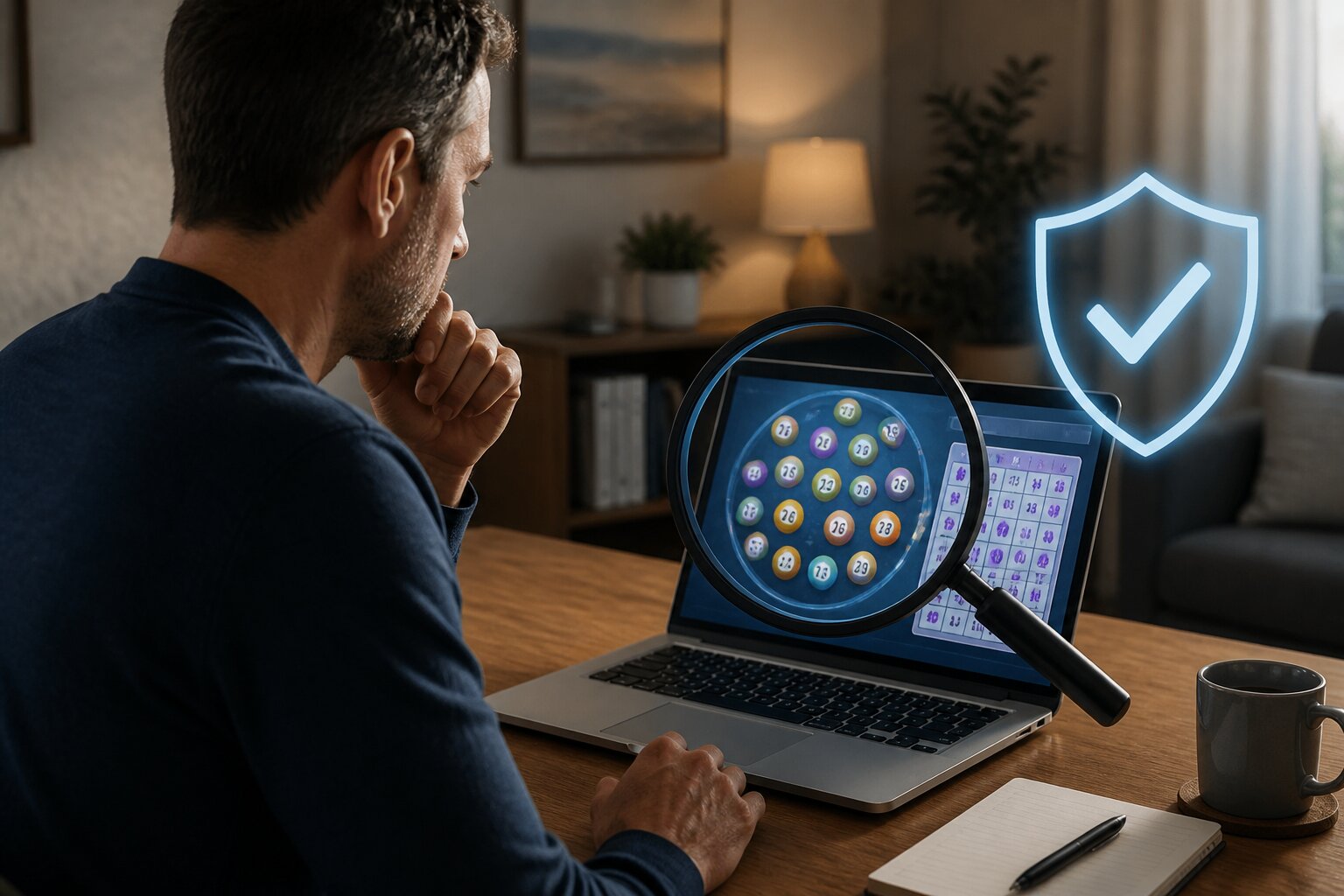
Ever wondered if online bingo is truly fair? With so many players and prizes at stake, it is natural to question whether the odds are genuine or if the game could be manipulated.
Stories and myths about unusual winning streaks and sneaky software make it hard to know what to believe. You want the excitement of the game without worrying about whether you have a genuine chance.
This post takes a closer look at how online bingo works, the security measures that underpin it, and the safeguards that protect game integrity. Read on to find out what really goes on behind the screen and how fairness is maintained.
How Does Online Bingo Work?
Online bingo transfers the traditional hall experience to a computer or mobile device. When you join a game you purchase one or more virtual tickets, each with a randomly generated grid of numbers unique to that session. Tickets are sold before the round begins; once sales close the game starts and numbers are drawn.
A Random Number Generator, or RNG, picks the numbers called during a session. In a 90-ball game, for instance, the RNG selects numbers between 1 and 90, giving each number an equal opportunity to be chosen. As numbers appear on screen the system marks any matches on your ticket in real time, and prizes are awarded for specific patterns such as one line, two lines, or a full house.
When a ticket completes the required pattern the system recognises the win and credits the prize to the player account. The process is automated and logged, which allows operators and regulators to audit outcomes and confirm that games function as intended. This technical setup also sets the scene for how fairness is verified, which we look at next.
Are Online Bingo Games Rigged?
Concerns that online bingo might be rigged are understandable, especially after runs of unfavourable results. But reputable operators in the UK must meet strict regulatory standards designed to prevent manipulation and to preserve fair play.
A rigged game would involve altering either the tickets or the draws so certain players are prevented from winning or others are favoured. Such changes would be readily apparent in the data - for example, if particular numbers never appeared, or the same account always won. Regulations and audits are structured to detect patterns like these and to act on them.
Certified RNGs and independent audits form the principal check against manipulation. Operators that fail to meet standards face enforcement action from the regulator, including fines or licence revocation. Next we will examine the technology at the heart of bingo draws and how it is tested.
The Role of Random Number Generators in Bingo
Random Number Generators are central to online bingo fairness. An RNG is software that produces sequences of numbers without predictable patterns. In bingo this means each potential call is produced by the RNG so that no number is inherently more likely than another.
In practice the RNG generates the draw for each round almost instantly. For example, in a 75-ball game the RNG selects numbers from 1 to 75 with equal probability. The system’s design removes any possibility of human selection bias and ensures that the mechanics of the draw are consistent from game to game.
Independent Testing and Certification
RNGs used in gambling are subject to independent testing and certification. Accredited testing houses run thousands of simulated rounds to check for statistical randomness and any anomalies that might indicate bias or flaws. Certification is not a one-off: tests and audits are repeated at intervals so standards are maintained over time.
Testing reports often include metrics such as distribution uniformity and return-to-player figures, and operators make these results available to support transparency. Regular certification and public reporting create a visible trail that players and regulators can follow.
What Could Potentially Go Wrong?
Although RNGs are robust, software bugs or configuration errors can occur. A fault might cause unusual repetitions or a pattern that stands out statistically. When that happens, operational procedures require operators to suspend affected games and investigate the root cause.
Record-keeping and monitoring systems help to identify faults quickly. When an incident is confirmed, affected players are compensated or the outcome is corrected in line with the operator's terms and regulatory guidance. These controls keep technical problems isolated and help prevent them from undermining trust.
Can Casinos Influence Results?
Licensed operators cannot lawfully influence game results. Regulations require software certification, independent verification and restricted access to core systems so that outcomes are produced by the RNG alone.
Independent testing bodies perform in-depth audits and simulate large numbers of game rounds to check that outcomes match statistical expectations. Certification must be renewed and audited results reviewed on a schedule appropriate to the operator’s risk profile. Because of these safeguards, there is no practical route for staff to alter individual game results without detection.
Operators will often display the name of their testing laboratory or certification status on site as a point of information. These badges allow players to view evidence of testing and certification, which helps build trust in the fairness of the games. The next section looks at how players can spot genuine issues and what happens when faults occur.
Player Concerns: Recognising Fair Play
Players naturally want reassurance that a game has been honest, particularly after technical interruptions or unusual patterns. Typical issues that prompt concern include frozen games, numbers not displaying properly, or abrupt connection drops during a session.
Such incidents are most often technical rather than deliberate. Operators are required to have fault-handling procedures, which outline how games are paused, investigated and resolved. Where outcomes are affected, the operator either refunds tickets or restarts the game from the last secure point, and must keep records of the incident and actions taken.
If a player believes a result was incorrect they can raise a complaint with the operator and, if unsatisfied, escalate to an approved Alternative Dispute Resolution service. These routes provide an independent way to examine incidents and to ensure the operator’s response complies with regulations. Understanding these safeguards helps players recognise when a concern is a resolvable technical matter rather than a systemic fairness issue.
Protecting Yourself When Playing Online
Operators separate management functions from the systems that determine game outcomes and restrict staff access to core game processes. Certified RNGs operate independently of human input and are subject to regular integrity checks and third-party oversight.
If rumours circulate about staff fixing results, it is worth remembering that such activity would be illegal and detectable through audits and regulatory monitoring. The combination of technical controls, independent testing and regulatory enforcement creates multiple layers of protection.
If you want extra reassurance, checking that an operator publishes its testing and audit information is useful. Those details help confirm the site uses certified software and follows accepted industry practices. With these protections in place, players can participate knowing the structure around the games is designed to keep play fair and transparent.
Explore Casino Games at Free Spins No Deposit Casino
We’re always delighted to welcome new players to our site, and invite you to enjoy a relaxed and friendly casino experience with us. Take your time exploring all that we have to offer.
Getting started is easy—simply create an account, make your first deposit and you’ll be able to play in no time. We look forward to seeing you at the tables!
**The information provided in this blog is intended for educational purposes and should not be construed as betting advice or a guarantee of success. Always gamble responsibly.