
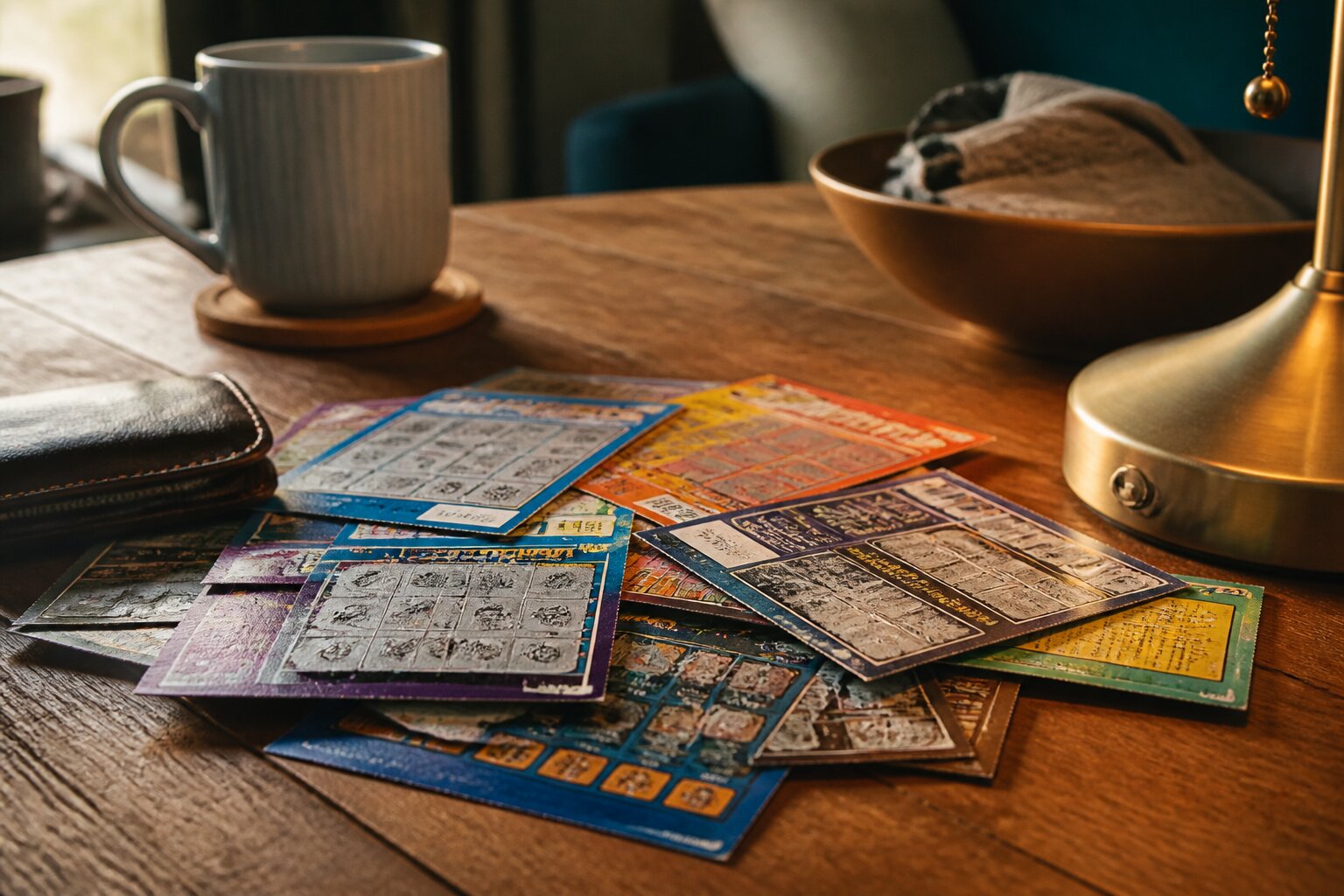
Imagine scratching off your lottery ticket and finding a life-changing win—only to forget about it in a drawer or lose the ticket altogether. It might sound unlikely, but every year, millions of pounds in scratch card prizes go unclaimed across the UK.
Where does that money go, and could it ever find its way back to players or to causes that benefit the public? This article follows the path of unclaimed prizes, explains how claims are handled, and offers practical pointers to help you avoid missing out.
Read on to find out what happens to unclaimed winnings and what it means for players and communities.
Understanding How Scratch Card Prizes Are Claimed
There is a clear process for claiming scratch card prizes, and it starts with keeping the physical ticket safe. Lottery operators require the original card to verify a win, so without it a claim cannot proceed.
Smaller prizes are usually paid at retail outlets, while larger amounts are handled by the lottery operator’s offices or through their official claims service. Each scratch card carries its own instructions and terms, so it’s important to check the printed details — especially how long you have to claim and where to go for larger wins.
You will need to prove your identity and confirm you are of legal age when claiming, and operators will follow their published procedures to process payouts securely. Having the card intact and following the stated steps makes the claim straightforward. To understand what happens after a claim window closes, see the next section on why prizes go unclaimed.
Why Do Scratch Card Winnings Go Unclaimed?
There are several common reasons prizes slip through the cracks. Tickets are misplaced or thrown away, claim deadlines are missed, and smaller prizes are sometimes overlooked as people assume they are not worth the effort. Damage to the card can make the serial number or scratch-off area unreadable, preventing verification and making it impossible to process a claim.
People also sometimes misunderstand the claim process or forget the rules about how and where to claim prizes. Retailers may fail to check tickets properly at the point of sale, or winners might not realise they need to sign the back of a ticket to establish ownership. Missing receipts, incomplete claim forms or not having the required identification can all stop a payout from being completed.
Life changes such as moving house or simply putting a ticket aside with the intention to claim later can also lead to missed deadlines. In some cases winners believe a prize is too small to pursue, or they lose interest before completing the necessary steps. Collectively these situations result in substantial sums remaining unclaimed each year.
The next section explains what happens to that money once the claim period ends.
What Is the Fate of Unclaimed Lottery Prizes?
Unclaimed prize money is not locked away indefinitely. Operators have established procedures for reallocating these funds within the framework set by regulators and their own rules. The destination of unclaimed prizes varies, but commonly includes enhancing future prize pools, supporting promotions, and contributing to public causes. How funds are used depends on the type of lottery and the terms set out in the operator's licence and published rules.
Redistribution to Future Prizes and Promotions
A share of unclaimed funds is sometimes reinvested into upcoming games, which can mean larger prize amounts or special promotional draws. Reinvesting in this way helps to keep prize pools attractive to players and can support the ongoing marketing of games.
This approach allows operators to maintain the structure of future games without reducing funds allocated elsewhere. It also gives regulators confidence that game integrity and prize distribution remain predictable and sustainable over time.
Allocation to Charitable Causes
For national lotteries, unclaimed prizes are often channelled into grants and programmes that support sport, arts, heritage, health and community projects. Redirecting funds in this way ensures that money not claimed by players still produces a public benefit and contributes to social objectives that the lottery is intended to support.
These allocations are typically overseen by the relevant distributing body or lottery trust, and they form part of regular reporting and public accountability. This means the impact of unclaimed funds can be tracked and reported to the public.
Handling by Lottery Operators
Operators must account for unclaimed funds transparently and in line with their published rules. They keep records and follow governance procedures to make sure funds are allocated as intended and that the process can be audited. Formal handling includes documenting timeframes for claims, the steps taken to contact winners and the eventual allocation of any remaining money.
This formal approach safeguards the interests of players and beneficiaries alike and helps maintain public trust in the lottery system. With clear procedures and independent oversight, the treatment of unclaimed prizes is subject to scrutiny and must meet regulatory expectations.
With that context in place, the next section covers the strict timeframes within which claims must be made.
How Long Do You Have to Claim Scratch Card Winnings?
Claim periods vary by game but are clearly stated on each ticket. A common timeframe is 180 days from either the date of purchase or the game’s closing date, depending on the card’s terms. Once that deadline passes, the opportunity to claim is lost and no extensions are granted.
Because claim windows differ between games, checking the printed terms and noting any relevant dates soon after purchase is essential. If a prize is suspected but the deadline is approaching, contact the operator promptly. The following section looks at the typical mistakes that lead to unclaimed winnings so you can avoid them.
Common Mistakes That Lead to Unclaimed Prizes
Overlooking small wins, misreading expiry dates, and storing tickets where they can easily be forgotten are frequent causes of unclaimed prizes. Confusing card layouts or failure to follow the printed checking instructions can lead to mistakes when confirming results, and this is often how people miss modest but genuine wins.
Damage through rough handling or excessive scratching can destroy crucial details, making verification impossible. Even light stains, creases or exposure to moisture can obscure numbers or barcodes, so keeping tickets in a dry, safe place helps preserve their legibility.
Sometimes people assume small prizes are not worth claiming and discard the ticket prematurely. That attitude can add up to significant missed value over time, particularly if several small wins occur.
Being attentive when checking and storing tickets helps prevent these problems. If a ticket is lost or damaged, however, different rules apply and you should consult the operator or your local lottery authority for guidance, which is covered next.
Can Lost or Damaged Scratch Cards Still Be Claimed?
A lost physical ticket cannot be paid out, because the original card is required to verify a legitimate win. For partially damaged cards, operators may investigate if key details such as the scratch-off panel and serial number remain readable. Where verification is possible, a claim could be accepted; where vital information is destroyed, a payout is unlikely.
Operators keep records of sold tickets and may use those to assist investigations, but the presence of the intact ticket makes the process far simpler. If there is any dispute over a claim or a retailer’s refusal to pay, the appropriate course is to contact the operator’s claims or complaints team; escalation options are available if that response is unsatisfactory.
If a retailer refuses to honour a winning card, the operator will investigate and advise on the correct next steps. Keep receipts, the ticket and any correspondence, as evidence can be useful during an investigation. The following section sets out practical steps to reduce the chance of missing a payout.
What Happens if a Retailer Fails to Honour a Winning Card?
When a retailer declines to pay a winning card, the operator’s claims process becomes the main route to resolution. The operator will check their records and investigate whether the retailer followed the correct procedures, including verifying the card, transaction and any internal checks carried out at the point of sale. Providing the card, receipt and any other supporting information speeds up the review and helps the operator reach a clear conclusion more quickly.
If the operator’s response does not resolve the issue, there are independent regulatory routes to escalate a complaint, which may include the operator’s formal complaints team, an ombudsman or the industry regulator. Maintaining clear evidence and following the operator’s formal complaints process improves the likelihood of a satisfactory outcome, and knowing these options offers reassurance if a dispute arises.
It is also helpful to note expected timeframes and keep a record of all communications during the process. Keeping copies of correspondence, noting dates and who you spoke to, and responding promptly to any requests for further information can make the escalation smoother and reduce delays.
Tips to Ensure You Never Miss Out on Your Prize
A few straightforward habits make it unlikely that a legitimate win will be missed. Keep tickets in a consistent, safe place where they won’t be damaged or accidentally discarded. Check every card carefully against the printed rules and note any claim deadlines as soon as possible.
Use the operator’s official channels when you need to verify results or submit a claim, and keep identification and purchase evidence to hand if you expect to claim a larger prize. Treat small and large wins the same until they are processed, because even modest prizes must follow the correct claims route to be paid.
Enjoy scratch cards responsibly and only spend what fits within your budget — this approach keeps the activity as intended. With sensible ticket care and attention to timeframes, you’ll give yourself the best chance of claiming any prize you might hold.
**The information provided in this blog is intended for educational purposes and should not be construed as betting advice or a guarantee of success. Always gamble responsibly.