
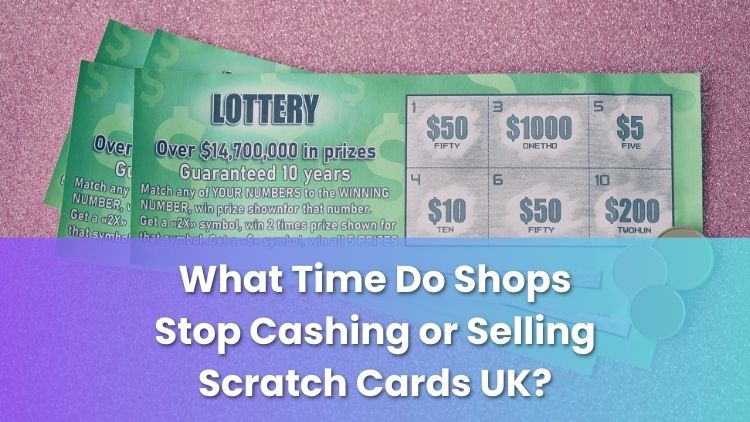
Scratch cards are a familiar part of many shop counters across the UK, though the exact times they can be sold or cashed are not always obvious. Opening hours vary, and individual stores set their own routines for when terminals are used.
Knowing how shop policies work, what staff may ask for, and where the cut-off points tend to be makes buying or claiming far smoother.
This blog post sets out typical sale and cashing times, what to expect from different shop types, how to claim outside normal hours, and when larger prizes need a different approach.
Read on to learn more.
How Late Do Shops Usually Sell Scratch Cards?
Most shops sell scratch cards during their normal trading hours. In practice, that usually means from opening time through to close, though the exact window depends on the location and the type of retailer.
Newsagents, supermarkets and petrol stations set their own hours. Many convenience stores and supermarkets stock cards from early morning until late evening. Some petrol stations that trade 24 hours may also sell them overnight, but this can depend on staffing and store policy.
There are occasional exceptions. Some retailers pause scratch card sales shortly before closing to complete end-of-day checks, and staff may decline a sale for valid reasons, including age verification or security. If in doubt, a quick check at the counter avoids a wasted trip.
As for wins, the timing for cashing follows similar shop-hour patterns, with a few extra rules to keep in mind.
How Late Can Retailers Cash Scratch Card Prizes?
Prizes are usually paid during a shop’s standard opening hours. Many stores handle payouts at any time they are open, though some prefer to process them at quieter moments, especially when a manager needs to be present or when cash levels are low.
Most retailers set a payout ceiling based on store policy and cash on hand, so higher amounts may not be paid in one go. Where a prize is above that limit, staff will point the claimant to official alternatives.
It is sensible to ask about the store’s approach before queuing to cash a win, particularly near closing time. If a prize is likely to exceed the till’s capacity, the next section outlines how limits vary by shop type.
Do Different Shop Types Have Different Cashing Limits?
Cashing limits often vary by retailer, and each store may set its own threshold. Understanding the general pattern helps set expectations.
Newsagents And Convenience Stores
Smaller shops typically pay up to around £100 in cash, though this is not guaranteed. Where the amount is higher or cash is tight, staff may validate the card and direct customers to claim through the official channels instead.
Supermarkets And Petrol Stations
Larger stores may pay higher amounts, sometimes up to about £500, depending on policy and cash availability. Anything above the store’s limit is usually handled by post or another approved method.
Post Offices And Lottery Counters
Some post offices and dedicated counters focus on validating cards and guiding claimants through the postal process rather than paying out at the counter. For higher-value wins, they may supply a claim form and instructions for sending documents securely.
If a shop is closed when a win is discovered, there are still ways to move things forward.
Can You Redeem Winning Scratch Cards After Shop Hours?
Once a retailer closes, claims have to wait until it reopens. Shops can only process payouts when staff and terminals are available.
If a win is found outside those times, official alternatives are available. The National Lottery accepts postal claims and, for certain prize levels, may provide online steps to begin the process without visiting a counter.
Postal claims usually involve completing a claim form and sending the original winning card to the address provided. Tracked delivery and a photocopy or scan of the card are sensible precautions. Details of what is required appear on the card or the official website, and the documentation needed is explained next.
What Documentation Do Shops Require To Pay Out Prizes?
Retailers need to see the original scratch card, intact and legible, so the barcode and game panels can be checked.
For smaller prizes, no further ID is usually requested. For larger amounts, or where there are checks around age or fraud, photographic identification such as a driving licence or passport may be required. Some shops also ask the claimant to sign the back of the card to confirm ownership before payment.
Keeping the ticket safe, dry and unaltered is important. Damaged or defaced cards may need extra validation and could be declined at the counter. When a prize exceeds a store’s limit, the process shifts to a direct claim.
What To Do For Large Prizes That Shops Won't Pay
If a prize is above the retailer’s payout limit, the next step is to make a claim through The National Lottery’s official process. Claim forms are available from many retailers and online. The winning card is typically sent by post with the completed form to the address stated by the operator.
Using a secure, trackable postal service and retaining copies of all documents helps protect the claim. If anything is unclear, customer service details on the official website and on the reverse of the card can provide up-to-date guidance.
If a counter declines a payout, it is often down to clear reasons rather than anything unusual.
Common Reasons Shops Refuse To Cash Scratch Cards
Shops may refuse to pay for several practical reasons.
One common issue is the amount being above the till limit or beyond what the store will pay that day. In that case, staff will usually advise an approved claim route.
Cards that are damaged, altered or hard to read can be rejected at the counter, as the retailer needs to validate the details correctly.
Age checks apply. If a claimant cannot prove they are 18 or over when asked, the payout will be refused.
Temporary technical problems with terminals can also halt payments until the system is working again. Some stores require a manager to authorise higher payouts, so timing can matter if a manager is not on site.
Following the store’s guidance, bringing ID when appropriate, and ensuring the ticket is in good condition generally keeps things straightforward.
How Store Opening Hours Affect Scratch Card Availability
Opening times decide when scratch cards can be bought or cashed. Retailers only provide these services while trading, and staff may stop transactions shortly before closing to complete end-of-day routines.
Because hours differ between supermarkets, convenience stores and petrol stations, access varies by location. Some stay open late or trade overnight; others close earlier. Checking local hours avoids surprises and helps with planning.
With that in mind, there are ways to start a claim even when counters are shut.
How Online Claim Options Affect When You Can Cash A Prize
Online and postal options make it easier to start a claim at any time. Using official channels means a prize can be processed without waiting for a shop to open, which is especially useful for higher-value wins or when travel is difficult.
Online claims may involve entering personal details and uploading supporting documents for review. Taking a moment to confirm everything matches the card and form reduces delays. Never share ticket or banking details with third parties outside the official process.
If you choose to buy scratch cards, set a budget that suits your circumstances and never stake more than you can afford to lose. If gambling begins to affect your finances or well-being, seek help early. GamCare and GambleAware provide free, confidential support.
Handled with clear information and the right channels, buying and cashing scratch cards is a simple process that fits around everyday shop hours.
**The information provided in this blog is intended for educational purposes and should not be construed as betting advice or a guarantee of success. Always gamble responsibly.