
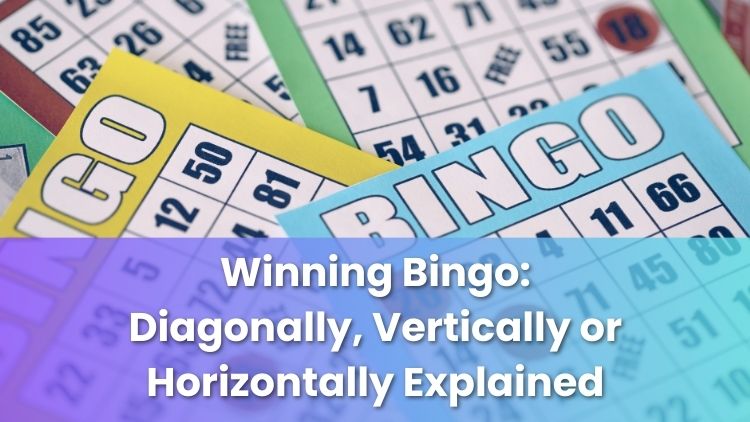
Bingo is one of the most familiar and easy-to-play games in the UK, but how you actually win can still bring up some questions. You might have seen people shout “Bingo!” before and wondered which shapes or lines make a winning card.
Different bingo games can use their own rules for what counts as a win, and it’s not just about the numbers. There are simple patterns and less obvious ones that can catch new players by surprise. If you’re looking to understand exactly what you need to keep an eye out for, you’re not alone.
In this blog post, you’ll find straightforward explanations for each winning pattern – horizontal, vertical, and diagonal. If you’ve ever been curious about what counts or how it works in both land-based and online games, you’re in the right place.
How Bingo Wins Actually Work
In UK bingo halls and online rooms, a win comes from marking off the right numbers on your card as they’re called. What counts as “the right numbers” depends on the format and the pattern announced before the round begins.
Most UK games use either 90-ball or 75-ball tickets. A 90-ball ticket has three rows and nine columns, with each row partly filled. A 75-ball ticket is a five-by-five square and often includes a free space in the centre, which can help complete certain patterns.
Before play starts, the room sets the target: a single line, two lines, a full house in 90-ball, or a specific pattern in 75-ball. When your card matches that target, you claim the win, and staff or automated systems confirm it. Knowing the format upfront makes the rest of the patterns easy to follow.
Can You Win Bingo Diagonally?
Diagonal wins are a feature of many 75-ball games. Because the card is a square, a valid diagonal runs from one corner to the opposite corner. If a free space is used, it sits in the centre and usually counts as already filled, which can complete a diagonal sooner when that pattern is active.
Not every 75-ball round includes diagonals, though. Patterns rotate from game to game, so a session might focus on lines, letters, or shapes instead.
In 90-ball bingo, diagonal wins do not apply. The layout does not create true diagonals across a filled row, and standard wins are based on lines running across the ticket or a full house. If diagonals are allowed where you’re playing, you’ll see it clearly stated with the pattern for that round.
Can You Win Bingo Vertically?
Vertical wins are also tied to 75-ball bingo. Here, a vertical line means marking all five spaces in a single column from top to bottom. Where a free space is used, it sits in the middle of the column and typically counts as filled, which can make a vertical line achievable with fewer called numbers when that pattern is in play.
By contrast, 90-ball bingo does not use vertical lines as winning outcomes. Each column on a 90-ball ticket contains a selection of numbers spread across three rows, so a full column isn’t a valid target.
If verticals are available, they will be listed alongside any other patterns for the session. With that covered, it’s time to look at the pattern most players recognise at a glance.
Can You Win Bingo Horizontally?
A horizontal line is the clearest and most common way to win, especially in the UK. It means filling every number across a single row.
In 90-ball bingo, prizes typically progress from one line to two lines, then to a full house when all numbers on your ticket are covered. Because the ticket is built around three rows, each row can be a winning line at the relevant stage.
Horizontal lines also appear in 75-ball games. If the round is set to count lines rather than a themed shape, completing any full row from left to right is a valid win.
What Counts as a Valid Bingo Line?
A valid line is any complete set of marked spaces that matches the pattern stated before the round. In practice, this looks slightly different across the two formats.
On a 90-ball ticket, a line means every number in one line is covered. Calling that first usually secures the prize for the line stage, with further prizes for two lines and a full house later in the same game.
In 75-ball bingo, a line can run across, down, or diagonally, provided that the version permits it. Where a free space is used, it sits in the middle of the card and counts towards any line that passes through it. Some sessions switch to themed shapes such as letters or outlines, but the same idea applies: the marked spaces must match the pattern exactly.
Verification is handled by club staff and automated online checks. If your card fits the announced target with no gaps in the required shape, the win stands.
Different Bingo Game Types and Their Winning Patterns
From classic 75-ball and 90-ball formats to themed variants, here is a quick guide to how each game works and the common patterns you need to complete to win.
75-Ball vs 90-Ball Bingo Explained
In the UK, you’ll mostly come across two main forms of bingo: 90-ball and 75-ball. Each uses a different card layout and offers its own style of win.
90-ball bingo is what you’ll find in most bingo halls. Each ticket has three rows and nine columns, with spaces arranged so that only some positions contain numbers. The usual prize structure is one line, two lines, then a full house. Only horizontal lines count as lines here, with no verticals or diagonals.
75-ball bingo uses a five-by-five square and often includes a free space in the centre. Wins can be set to lines in any direction, diagonals, or specific shapes such as letters. The required pattern for each round is shown before the numbers start, so players know what to aim for from the outset.
If you enjoy the steady build of one line to full house, 90-ball offers that rhythm. If you prefer patterns that change from game to game, 75-ball adds that variety without altering the basics of marking numbers as they’re called.
Play Casino Games Online
Free Spins No Deposit Casino offers a wide range of casino favourites that UK players will recognise. The site is easy to navigate, so browsing slots and classic table games feels straightforward whether you’re new or experienced.
Choices include well-known slots and familiar card and dice games. Titles come from established software providers, with tools in place to support fair play and secure transactions. If you like to compare features or check a game’s rules, the information is clear and accessible before you start.
Free Spins No Deposit Casino is licenced by the UK Gambling Commission (UKGC), ensuring a safe and secure playing environment.
Always remember to gamble responsibly by setting limits to your playing time, sticking to a strict budget within your means and making use of any responsible gambling tools available.
**The information provided in this blog is intended for educational purposes and should not be construed as betting advice or a guarantee of success. Always gamble responsibly.