
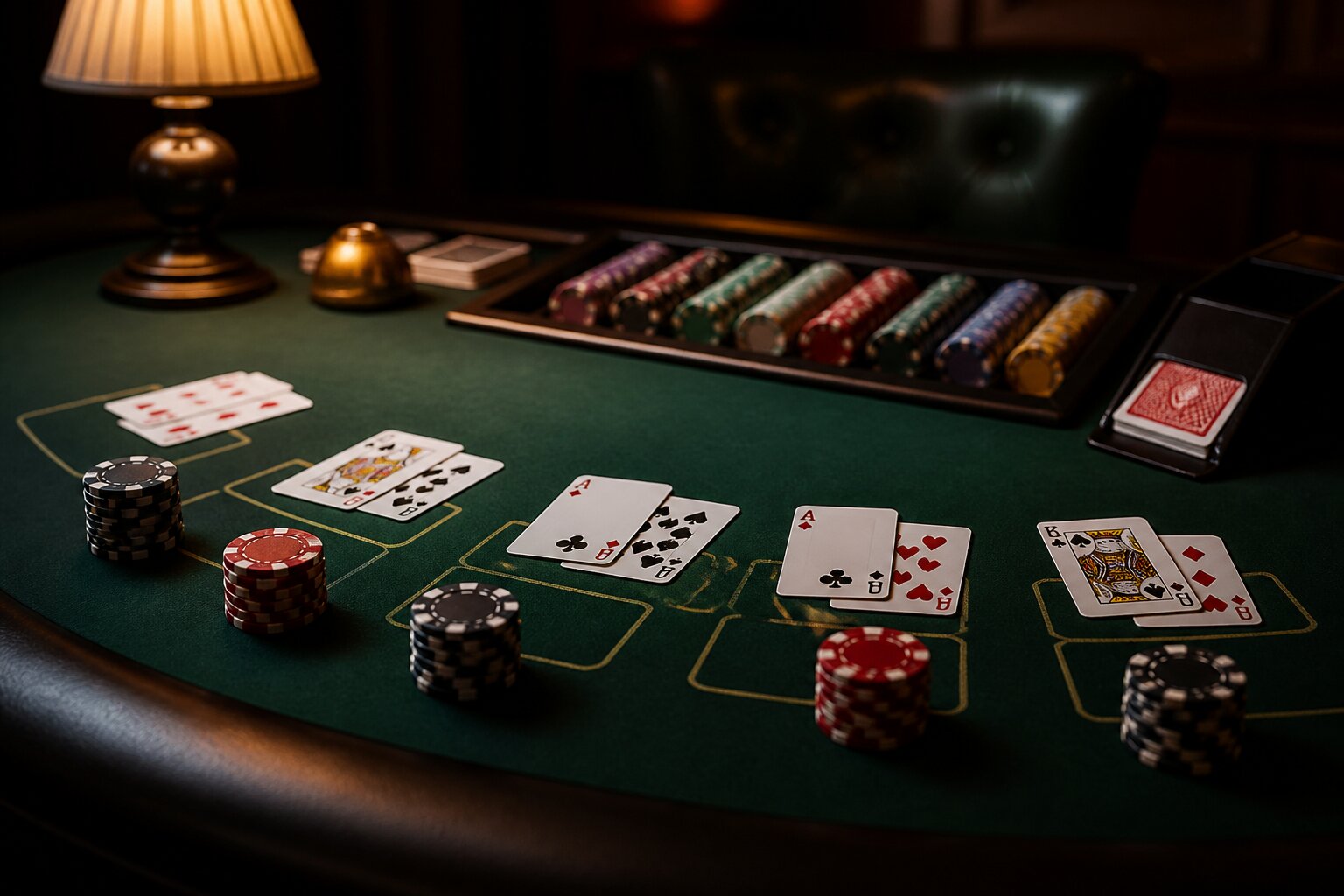
Blackjack is a casino favourite, simple to learn, fast-paced and always a thrill. But there’s more to it than the classic version: whether online or in a local casino, you’ll find a wide range of blackjack variations, each with its own twists and decisions.
Exploring different variants can add fresh challenges and new strategic ideas. Some offer bigger payouts or extra bets, others change the flow of play so the same basic hand feels new.
If you’re wondering which variants suit your style and why they feel different, this guide walks through the most popular types and what to look for. Before playing any version, make sure you understand the rules and keep your play within sensible limits.
What Are Blackjack Variants?
Blackjack variants are simply different versions of the traditional game. Each variant tweaks the standard rules, adds bonus features or side bets, or alters how the dealer acts. These changes influence strategy, pace and the choices available during a hand.
Typical differences include the number of decks, whether the dealer checks for blackjack early, how doubling and splitting work, and whether extra hands or jackpots are offered. Some variants introduce unique terminology or mandatory actions that change the rhythm of play.
Knowing the main mechanics of classic blackjack will help you understand most variants, because many of them build on that framework while introducing a single or a few distinct changes.
It’s sensible to read the rules of any specific game before you play so you know how it differs from the standard version.
How Do Different Blackjack Games Compare?
Variants differ mainly by rule tweaks that change decision points and risk. For example, increasing the number of decks tends to alter card distributions, while allowing double-down options in more situations gives players extra opportunities to increase their stake. Some games speed up play; others invite more deliberation through extra options or side bets.
These rule differences shape the atmosphere. A game that reveals the dealer’s full hand will feel more transparent and strategic, while versions with hidden dealer cards keep suspense higher. Some variants favour more interaction between players and the dealer, whereas others focus on solitary decision-making.
Picking a variant often comes down to whether you prefer straightforward rounds or more decisions and special features. Read the specific rules to understand how a version will play and what strategic adjustments make sense.
Classic Blackjack: The Standard Rules
Classic Blackjack is the baseline most variants start from. Players and the dealer receive two cards; cards 2–10 are worth their face value, Jacks, Queens and Kings are worth 10, and Aces can count as 1 or 11. The objective is to have a hand value higher than the dealer’s without exceeding 21. Taking another card is called “hit” and keeping your total is called “stand.” If your hand goes over 21, that is a bust and you lose that round.
The dealer follows strict rules, typically hitting until reaching 17 or higher. Payouts, blackjack recognition and options for splitting pairs or doubling down can vary by venue, so those specifics are worth checking before you play.
Understanding these basics gives you a strong foundation, since most variations keep the core mechanics intact while adding one or more twists.
European Blackjack: Key Differences Explained
European Blackjack modifies the deal and some doubling and splitting options. The dealer initially receives just one card, and the hole card is dealt after players complete their hands. Because the dealer does not check for blackjack early, players make decisions without that immediate information.
Doubling down is usually restricted to initial totals of 9, 10 or 11, and splitting rules can be tighter, with fewer re-splits allowed. These limits change the timing and risk of doubling and splitting, so players adjust their approach accordingly.
The absence of an early dealer check makes the timing of decisions feel different from classic blackjack, and those rules are worth understanding before joining a table.
Pontoon: The British Favourite
Pontoon is a British variant with older terminology and a slightly different structure. The aim remains to beat the dealer by reaching a total close to 21 without going bust. In Pontoon, both dealer cards are dealt face down, which alters the flow of play and the information available to players. The best hand, a Pontoon, is an Ace plus a 10-value card and typically pays higher than a normal 21.
Terminology changes shape decisions: “twist” means to take a card and “stick” means to hold. Players are often required to hit on totals of 14 or less, and there is frequently more latitude for splitting and doubling, depending on the table rules.
Pontoon’s different structure creates a social, decision-rich game that rewards awareness of the variant’s specific rules before you play.
Spanish 21: How Does It Work?
Spanish 21 removes all the 10s from the deck, leaving 48 cards instead of the usual 52. That reduction changes card distributions and the likelihood of certain hands, so the game compensates with special player-friendly rules and bonus payouts.
Players often benefit from liberal doubling options, the ability to double after splitting, and extra payouts for specific 21s, such as five-card 21s or 21s made using particular combinations. Some versions also allow late surrender or other concessions that offset the missing 10s.
Spanish 21 tends to move at a brisk pace and rewards familiarity with its bonus payouts and rule differences. Read the table rules to see which bonuses are offered, since they vary by version.
Double Exposure Blackjack: What Sets It Apart?
In Double Exposure Blackjack both of the dealer’s cards are dealt face up, so players can make decisions with full knowledge of the dealer’s hand. This transparency changes the strategy: seeing the dealer’s total lets players assess risk more directly from the outset.
To balance this information advantage, the game typically tightens certain rules. For example, blackjacks often pay even money instead of the usual bonus, and ties may favour the dealer rather than the player. Those adjustments are how the game maintains balance.
The open-dealer format gives a different strategic feel, with more emphasis on comparing hands and less on guessing the dealer’s hidden card.
Progressive Blackjack: How is it Played?
Progressive Blackjack offers an optional side bet that feeds a growing jackpot. Alongside your main blackjack stake, you can place a small additional wager that contributes to the shared progressive pool. The main game proceeds as normal, while the side bet pays out for rare combinations, which can range from suited four-of-a-kind to other specified hands.
Because the jackpot builds from many players’ side bets, it can reach substantial amounts. The payout structure and qualifying hands vary by provider, so it is important to check what specific combinations win and how the prize ladder operates.
The progressive feature is a long-shot extra rather than a regular source of winnings, so keep the side-bet size within what you consider affordable.
How Do Progressive Jackpots Work in Blackjack?
Winning a progressive jackpot requires a qualifying hand while the side bet is placed. The jackpot grows incrementally as players make the side bet, and it resets after a win. Payout thresholds and the exact hand combinations that trigger the jackpot differ between games, so consult the rules before you play.
Because the jackpot is rarely hit, players should consider the side bet as an entertainment add-on rather than a consistent earning strategy.
Atlantic City Blackjack: What Should You Know?
Atlantic City Blackjack usually uses eight decks and has rules that aim to favour standardised play. Dealers commonly stand on soft 17, and players may be permitted to double on any two cards and to double after splitting pairs. Many tables also offer late surrender, allowing players to forfeit half their wager after the dealer checks for blackjack.
Those options give players flexibility with doubling and splitting. The large shoe size influences card distribution and can affect decisions like card counting, though the core choices remain familiar to classic blackjack players.
Knowing the specific table rules helps you understand how those options will change your approach at the table.
Blackjack Switch: Unique Features and Rules
Blackjack Switch deals two hands to each player and allows swapping the top cards between them. This swapping option creates additional strategic choices, because one small change can turn two weak hands into a strong hand and a playable second hand.
To offset the switching advantage, some rules are adjusted. A dealer total of 22 may result in a push for the player’s normal bets, and blackjack payouts are often reduced compared with standard rules. Splitting and doubling follow variant-specific rules that affect when and how you can increase stakes.
The card-switching mechanic rewards tactical thinking about combinations rather than just following standard basic strategy.
How to Choose the Right Blackjack Variant?
Choosing a variant depends on which features appeal to you. If straightforward rounds suit you, classic blackjack or Atlantic City rules are good places to start. If you prefer added options and bonus payouts, Spanish 21 or progressive games may be more engaging. For strategic information advantages, Double Exposure offers a different decision environment; for tactical variety, Blackjack Switch changes how you build hands.
Before you play, read the table rules so you understand any altered payouts, dealer actions and side-bet conditions. That knowledge helps you choose a variant that matches the level of complexity and interaction you want.
Keep your play within sensible boundaries and treat gaming as entertainment. If a variant feels confusing, it is sensible to wait until you feel comfortable with the rules.
Myths About Blackjack Variants: What is the Truth?
There are many misconceptions about blackjack variants. One frequent myth is that a particular version guarantees better results. In reality, each variant sets its own rules and payouts, and none promise consistent wins. Differences affect strategy and frequency of certain outcomes, but they do not remove the inherent uncertainty in play.
Another misconception is that side bets or jackpots are a dependable path to large earnings. These extras offer occasional big payouts, but they are designed to be rare. They are best seen as recreational bonuses rather than a core strategy.
Understanding the facts about rules and payouts helps you make informed choices and avoid misleading claims about any variant’s effectiveness.
Frequently Asked Questions About Blackjack Game Types
With so many variants available, players often have similar questions. Below are clear answers to common points of confusion.
Is any blackjack variant easier to win?
No variant guarantees easier wins. Each version has its own rules and payout structure that affect strategy, but none remove the uncertainty inherent in the game.
Are progressive jackpots a good way to make money?
Progressive jackpots are entertaining extras that pay only in rare cases. They can lead to large payouts, but they are not a reliable method for making money.
Can blackjack strategies beat the game?
No blackjack strategies can guarantee a win in any version of blackjack. Strategies can help manage decisions and reduce variance, but they do not eliminate unpredictability.
Should I switch between variants often?
Trying different variants can keep play interesting, but always read the rules first. Change games for variety rather than expecting any particular version to give an advantage, and keep your play within your personal limits.
If play ceases to be enjoyable, take a break and reconsider your approach. Gambling is for adults aged 18 and over and should be kept as entertainment. Keep stakes manageable, be aware of how much time you spend playing, and seek help if play becomes a concern.
Thank you for reading—now you have a clearer sense of how the main blackjack variants differ and what to check before you join a game.
**The information provided in this blog is intended for educational purposes and should not be construed as betting advice or a guarantee of success. Always gamble responsibly.