
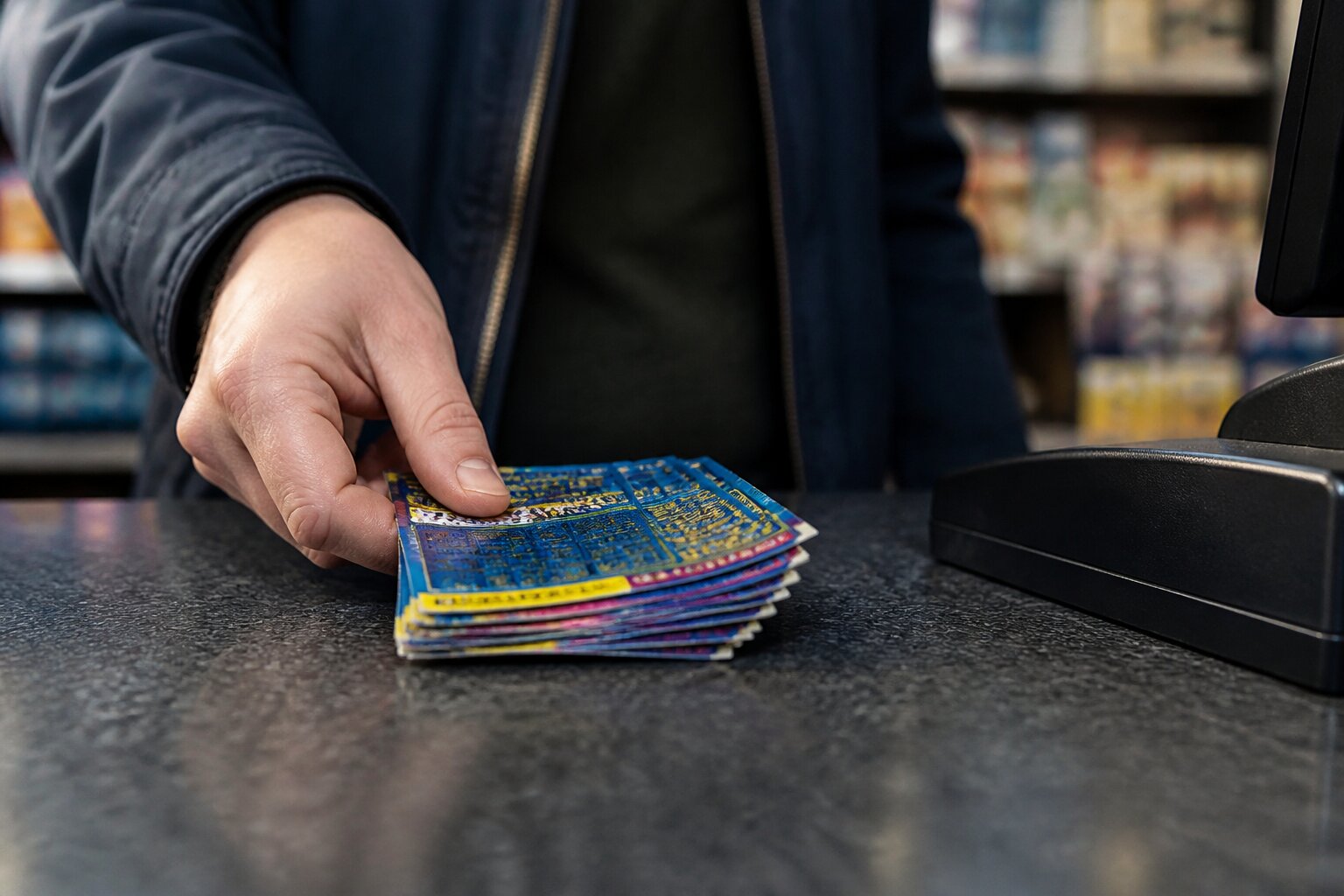
Ever wondered if there’s a limit to how many scratch cards you can buy in one go? Whether you’re curious about store policies or online checks, this guide sets out the practical rules and what to expect when you buy scratch cards in the UK.
Scratch cards are widely sold at shops and through licensed websites, but the way purchases are handled can vary between outlets. This article explains the legal framework, typical retailer policies, age checks, and what happens if a purchase is refused, so you know what to expect before you head to the till or log in.
Read on for clear answers, realistic examples and useful context that will make buying scratch cards straightforward and worry-free.
Official Scratch Card Purchase Limits in the UK
There is no single law that caps how many scratch cards a person can buy in a single transaction. The Gambling Commission regulates gambling activity, including instant-win tickets, but it does not prescribe a maximum number of cards per purchase.
The main legal requirement is the age limit: you must be at least 18 to buy scratch cards. Beyond that, sellers are expected to follow licensing conditions and their own internal policies. As a result, limits differ between retailers and online operators, who may choose to restrict bulk purchases for customer protection and operational reasons.
In practice, many retailers implement their own purchase controls. These are part of store procedures rather than a statutory ceiling, and they are applied to manage risk, staff safety and customer experience. The next section looks at why shops and operators commonly adopt these measures.
Why Do Purchase Limits Exist?
Retailers and operators put limits in place chiefly to reduce the chance that someone spends more than they intended or can afford. Limits also help staff identify behaviours that might indicate a customer needs support or intervention.
Other practical reasons include inventory management, loss prevention and making sure prizes remain available to a broad range of customers. For online operators, limits are often part of automated risk controls that monitor account activity and spending patterns.
These policies form part of the regulatory framework around gambling products and help ensure that sales are conducted appropriately. The following section explains how age checks fit into that framework.
Is There a Minimum Age for Buying Scratch Cards?
The minimum age to purchase scratch cards in the UK is 18. Retailers must refuse sales to anyone under this age, and they are expected to ask for proof of identity if the customer’s age is uncertain.
Acceptable forms of ID typically include a passport, driving licence or an official proof-of-age card carrying the PASS hologram. Failure to carry out checks, or knowingly selling to underage customers, can result in enforcement action against the seller.
Clear age verification also applies online: before buying digital instant-win tickets you normally need to register an account and have your age and identity verified. That brings different checks and safeguards compared with a shop purchase, which is outlined next.
Where Can You Buy Scratch Cards in the UK?
Scratch cards are available from many licensed high-street outlets, including newsagents, supermarkets, petrol stations and convenience stores, all of which must hold an appropriate licence to sell lottery products. These outlets are required to follow regulations on age verification and responsible selling, so you can expect staff to ask for ID if there is any doubt about a buyer’s age.
They are also offered through official websites and mobile apps operated by licensed providers. Online platforms will normally require account registration, age checks and adherence to deposit or spending limits set by the operator. Buying from licensed sources ensures the sale follows regulatory requirements, safeguards prizes and gives you recourse if something goes wrong with a purchase.
You should always check that the retailer or website is authorised and that the terms for claiming prizes and refunds are clear before you buy. Having established where cards are sold, the next section compares the buying experience online and in-store, and highlights the differences that matter to shoppers.
Multiple Scratch Card Purchases Online vs In-Store
Buying several scratch cards plays out differently depending on whether the purchase is online or in a physical store. Both routes adhere to the same legal framework and consumer protections, but the practical processes and checks are not identical. Understanding these differences can help players make informed choices and recognise when extra safeguards might apply.
Buying Scratch Cards Online: Rules & Verification
Online purchases require account registration with a licensed operator and usually involve identity and age verification before play is permitted. Operators commonly use automated monitoring to track spending patterns, session length and bet frequency, and may impose time-based or daily purchase limits tailored to each account. Some operators also offer self-exclusion, reality checks and deposit limits as standard responsible gambling tools.
As a result, bulk purchases can be managed automatically: unusually large or frequent orders may trigger automated reviews, temporary restrictions or requests for additional verification documents. Operators are obliged to act if there are signs of harm or money laundering, and may pause an account while further checks are carried out. Players will often receive clear information about any restrictions or actions taken and how to contact customer support if they need assistance.
Buying Scratch Cards In-Store: Key Differences
In shops, verification is typically simpler: staff will ask for ID if the customer looks under 25, and there is no account registration. Transactions are immediate and cash or card payments are processed at the point of sale, which can make multiple small purchases quick and discreet. Retailers can, however, apply their own limits or refuse a sale at the till if a request conflicts with store policy or if they reasonably suspect the purchaser is underage.
In-store staff may also be instructed to look out for signs of distress, frequent repeat purchases or other indicators of potential problem gambling and to take appropriate action. Such action can include refusing the sale, offering information about support services or directing the customer to resources for help. The next section explains how retailer policies vary in practice.
Do Different Retailers Set Their Own Limits?
Yes, retailers and online operators can set their own purchase limits. These are internal policies rather than statutory mandates, so the exact rules vary between businesses.
Some shops adopt a simple per-transaction cap on the number of cards sold, while others rely on staff discretion to refuse large purchases. Online platforms may offer more granular controls, including daily or weekly spend limits linked to customer accounts.
Where limits exist, they are usually documented in store procedures or the operator’s terms and conditions. Knowing that policies differ helps you plan your purchase and avoid unexpected refusals, which is covered in the next section.
Can You Be Refused a Scratch Card Purchase?
Yes. A sale can be refused if the customer does not meet age requirements, cannot provide acceptable ID, or requests more cards than the retailer allows in a single transaction.
Retailers also have legitimate grounds to refuse a sale when there are concerns about a customer’s wellbeing or apparent gambling-related difficulties. Online platforms may restrict accounts where verification fails or automated monitoring flags risky patterns.
Refusal is a compliance and safety measure rather than a punitive action, and understanding this makes it easier to accept when a sale is declined. The following section answers common misconceptions about bulk purchases.
Myths About Buying Scratch Cards in Bulk
There are several persistent myths around buying many scratch cards at once. One is that there are no restrictions anywhere; in reality, limits and checks vary by outlet and operator. Another is that shops must complete any sale if you offer payment; but retailers can refuse sales that violate their policies.
Some people mistakenly believe that buying multiple tickets increases the chances of a prize beyond the odds built into the game. Each card is an independent outcome and the distribution of prizes is governed by the game’s rules and total issue, not by how many one person buys.
Clearing up these misconceptions helps manage expectations and reduces the likelihood of surprise at the till or on an operator’s website. Next, find out what typically happens if a purchase attempts to exceed a retailer’s limit.
What Happens If You Try to Buy Too Many at Once?
If a purchase exceeds a retailer’s stated limit, staff are likely to refuse the extra items and complete the sale for the permitted quantity. Where there are concerns about age or problematic behaviour, staff may decline the sale entirely.
Online, an attempted excess purchase can be blocked automatically. The operator may pause the transaction and prompt the customer to wait, reduce the order, or provide further verification before proceeding. These mechanisms are in place to ensure compliance and to manage risk consistently.
Understanding these likely outcomes can make large purchases less stressful and avoid disputes at the point of sale. The final section offers practical advice for frequent buyers and sensible ways to approach repeat purchases.
Responsible Gambling and Advice for Frequent Buyers
Frequent purchasers benefit from practical safeguards and personal routines that keep spending within set limits. Setting a personal budget and checking transaction history regularly helps maintain oversight.
Operators and retailers also provide tools and guidance to help customers who want to control their play. If repeated purchases begin to feel difficult to manage, it is appropriate to seek support or use available account controls to set tighter limits.
Taking an informed approach to buying scratch cards ensures the activity remains a straightforward, regulated purchase rather than a source of stress. With awareness of how limits and checks operate, shoppers can buy with confidence and clarity.
**The information provided in this blog is intended for educational purposes and should not be construed as betting advice or a guarantee of success. Always gamble responsibly.