
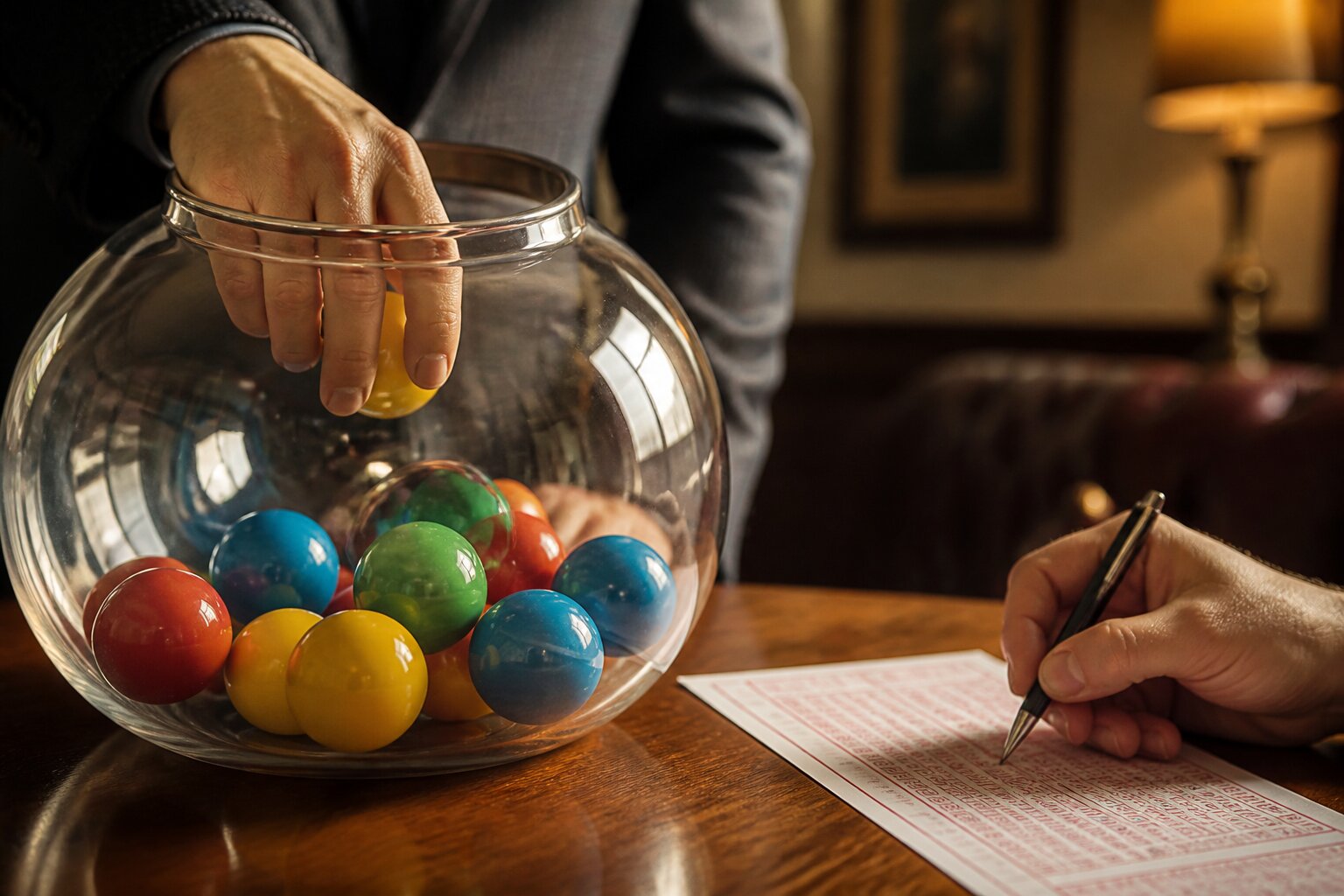
Ever stood at the lottery counter and wondered whether to trust your gut or let the machine pick for you? Each week, millions face the same choice—select personally meaningful numbers or request a Lucky Dip.
People often favour birthdays, anniversaries or repeating patterns, while others prefer not to choose at all. If you’ve ever asked whether one approach gives a better outcome, this article walks through the evidence so you can decide which method suits you best and why.
What Is a Lucky Dip and How Does It Work?
A Lucky Dip is a quick way to take part in a lottery draw where the terminal generates a set of numbers automatically. Instead of choosing numbers yourself, you let the machine pick a random combination for your ticket. The system creates these combinations using random number generation so you do not need to make any selections.
The process is automated to ensure entries are produced impartially and consistently. Because the numbers are assigned by the terminal, there is no human input into which specific combinations are issued for a Lucky Dip, and players cannot influence the selection. The outcome of the draw remains entirely random and unaffected by the method used to obtain the ticket.
Age restrictions apply: players must be at least 18 to buy or claim a ticket in the UK. It is also the player’s responsibility to keep their ticket safe and check the draw results; a Lucky Dip ticket carries the same claim conditions as any other ticket. Using a Lucky Dip can be handy if you want to save time, avoid deciding on numbers, or try combinations you might not normally pick.
With that covered, we can look at how this method compares with choosing numbers yourself and what that means for your chances. Importantly, a Lucky Dip does not change the mathematical odds of winning; every valid entry has the same chance in the draw regardless of how the numbers were chosen.
Choosing Your Own Numbers: What Does It Involve?
Selecting your own numbers lets you add personal meaning to a ticket. Many people use dates, favourite numbers or recurring patterns on the play slip. Some keep the same selection for many draws because of habit or personal preference, while others change their numbers regularly to reflect new events or moods.
This personalise-and-play approach makes the experience more engaging for a lot of players, adding a sense of ownership and ritual to purchasing a ticket. People often enjoy the small rituals around choosing numbers, such as picking a lucky birthday or repeating a sequence that has worked before. That engagement can make the process feel more enjoyable, even though it does not alter the outcome.
The numbers themselves do not change the mechanics of the draw. Whether numbers are meaningful to the player or not, they are simply an entry into the same pool of possible combinations. Each combination has the same statistical chance of being drawn on any given occasion, so personal significance does not increase or decrease the likelihood of success.
Next, we will examine how those combinations compare statistically. That comparison will focus on the probabilities involved, illustrating how chosen numbers relate to the overall odds rather than to any superstition or pattern.
Is There a Difference in Winning Odds?
The core point that guides all comparisons is straightforward: the lottery’s structure sets fixed odds for each possible combination. No method of selecting numbers changes those odds. Whether a ticket is filled in by hand, generated by a machine, or created by anonymous software, each distinct number combination carries the same mathematical chance of being drawn.
Comparing the Statistical Probabilities
Each distinct combination in a draw carries the same mathematical probability of being selected. For example, in the National Lottery the probability of matching all six main numbers is the same for every ticket, regardless of how numbers were chosen. That probability is determined by the game format and not by the selection method.
Because the odds come from the number of possible combinations a game allows, changing how you pick numbers does not alter that underlying mathematics. Individual selection habits, such as favouring birth dates or repeating sequences, do not increase the chance of a win; they only affect which combinations are played.
Real Lottery Results: What Do the Data Show?
When analysts review past winner records, they find a mix of machine-generated and personally chosen entries among prize recipients. Over many draws the proportion of winners corresponds roughly to how many tickets were bought by each method. This consistency supports the statistical view that selection method does not confer an advantage.
That said, human behaviour around number choice can influence the practical outcome for winners. If many players tend to pick the same popular sequences, a winning combination chosen by many people will lead to prize sharing, which can reduce the individual payout. Conversely, a win on a less commonly selected combination would typically be shared by fewer people, but this does not change the initial odds of that combination being drawn.
Does Human Choice Influence Outcomes?
Some number-selection habits lead many players to pick the same values—birthdays and anniversaries are a common example. When a commonly chosen set is drawn, multiple winners can share a prize. That doesn’t alter the chance any single ticket has of winning, but it can affect how a prize is divided if your numbers do appear.
The mechanics of a modern draw—whether using mechanical balls or verified random number generation—prevent human choice from biasing the result. Therefore, choice mainly has practical effects on prize division rather than on the probability of a win. With that distinction clear, it’s interesting to hear how regular players approach their selections.
Insights From Regular Players
Regular players develop routines that give them enjoyment and a sense of continuity. Some prefer the ritual of picking numbers, others like the convenience of a machine selection. These habits are part of the playing experience and shape how people feel about participation, even though they don’t change the underlying odds.
Personal practice also influences how frequently a player enters draws and how they budget for play—factors that matter for personal enjoyment and financial management. Bearing that in mind helps frame sensible choices about how often to enter and which method to use. Next, we’ll address common misunderstandings that often arise around number selection.
Myths and Misconceptions About Lottery Number Selection
Many myths persist about how numbers behave across draws: ideas that some numbers are “due” to appear, or that changing numbers each week affects outcomes. These notions come from anecdote rather than from the statistical reality of random draws. In a properly run lottery, every draw is independent and every combination has the same chance as any other, regardless of what happened in previous draws.
People often talk about “hot” numbers that seem to come up more frequently, or “cold” numbers that appear to be overdue. While frequency data can be interesting to look at, it does not provide a reliable method to predict future results. Apparent streaks are natural in random sequences, and seeing patterns does not change the underlying probabilities.
One practical point is sometimes overlooked: avoiding commonly chosen numbers may increase the potential share of a prize if you win, because fewer other players will hold the same combination. For example, many people still use dates such as birthdays, which limits choices to numbers 1 to 31 and makes some combinations much more popular. That alters possible payouts, not the chance of winning.
Understanding this difference between probability and payout division helps clear up much of the confusion people have about number selection. No selection method can improve your odds of being drawn, but choices can affect how much you would receive if you do win. Keeping expectations realistic and treating lotteries as entertainment rather than a financial plan is the safest approach.
Making the Right Choice for You
Deciding whether to opt for a Lucky Dip or pick your own numbers comes down to personal preference. Both routes feed equal mathematical chance into the draw; choosing a method is more about the playing experience you prefer. Some people enjoy the ritual of choosing, others favour the speed and surprise of a random selection.
Keep participation light and affordable so it remains an enjoyable pastime rather than a source of stress. If you play regularly, consider how the method you choose fits your habits and budget. Whichever you pick, make sure it aligns with how you want to engage with the game and the level of enjoyment you expect to get from it.
**The information provided in this blog is intended for educational purposes and should not be construed as betting advice or a guarantee of success. Always gamble responsibly.